Smart comparison up front
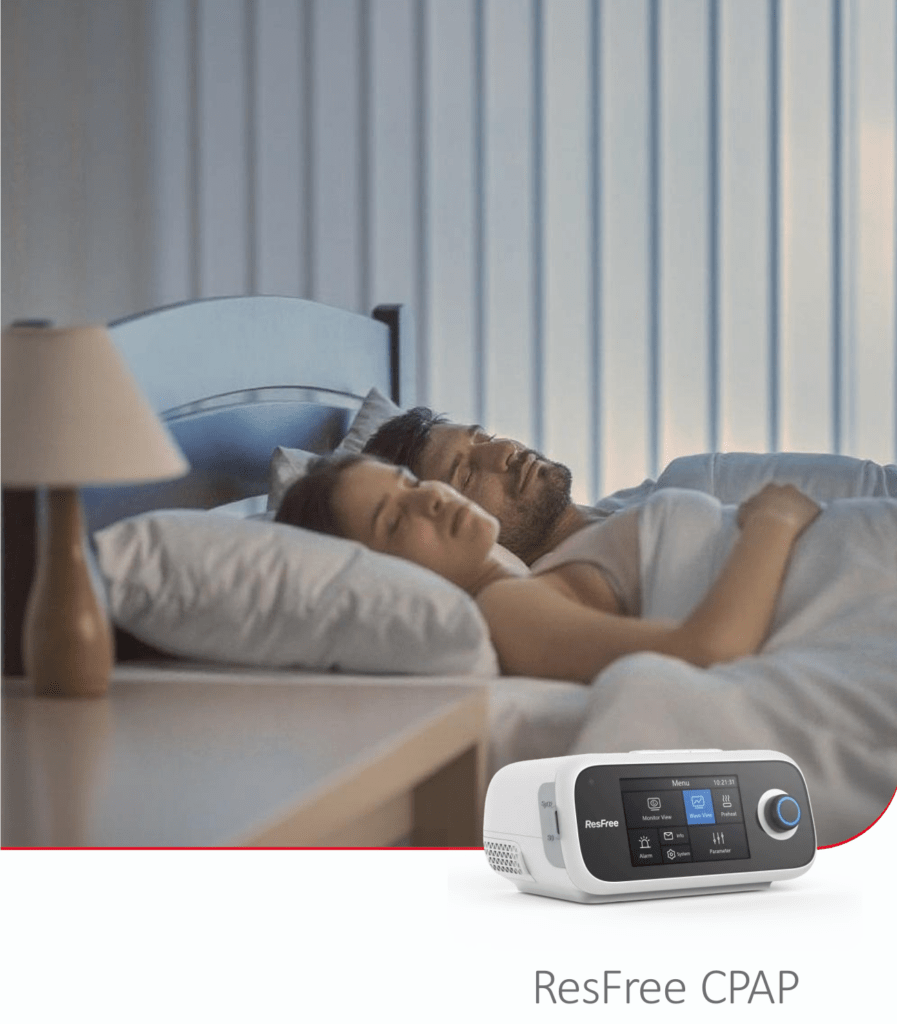
If you’re weighing hospital-grade functionality against home-friendly simplicity, here’s a clear, relaxed take that cuts through specs. A high-end unit should balance effective support with real-world usability — think robust alarms, reliable auto-adjusting pressure, and simple mask management. For many users that balance is found somewhere between a durable cpap device and a true non-invasive ventilator designed for longer-term respiratory support.
Performance vs. comfort: what each metric really means
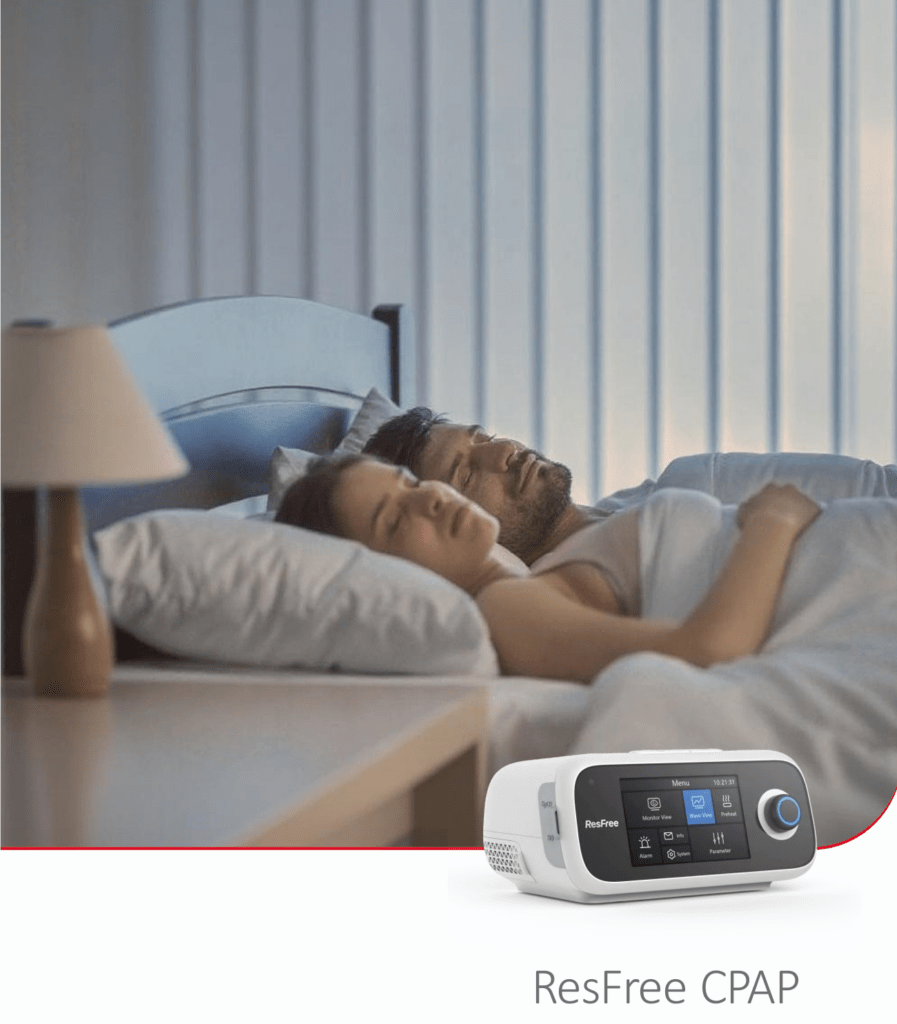
Pressure control and patient synchrony are more than marketing lines. Auto-adjusting pressure matters when sleep stages change; trigger sensitivity and tidal volume govern how naturally the machine follows breathing. Mask leak is the quiet saboteur — a tiny gap turns all the thoughtful engineering into noise and dry mouth. Humidifier integration matters if you plan nightly use; without it, adherence drops fast.
Clinical anchors and real-world context
There are millions dealing with sleep-disordered breathing in the U.S.; public health bodies note substantial underdiagnosis, so clinical needs vary widely. Device selection should reflect measured outcomes like reductions in apnea-hypopnea index (AHI) or clearer daytime function, not just feature lists. In hospital settings and home setups alike, tidal volume consistency and reliable alarms are the difference between an inconvenience and a true safety solution.
When to choose APAP, bi-level, or a ventilator
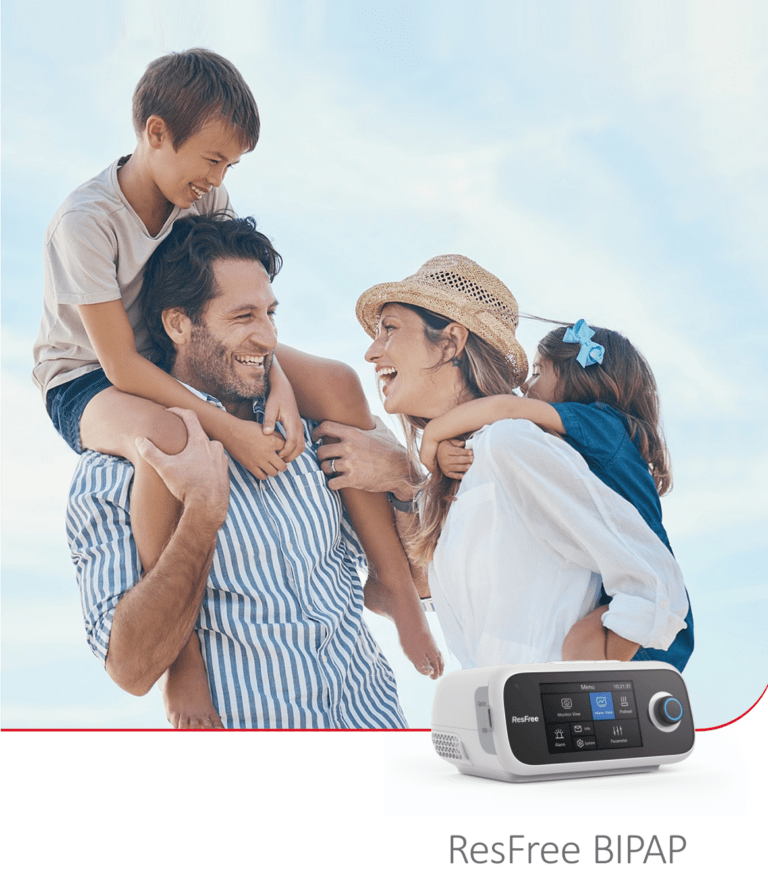
Match capability to physiology. For isolated obstructive events, an apap machine (auto-adjusting positive airway pressure) handles variable pressure needs automatically, which helps keep AHI down without nightly manual changes. Bi-level systems add two pressure levels — inhalation and exhalation — and can ease patient comfort when exhalation pressure feels oppressive. Full non-invasive ventilators step in when ventilatory support must maintain tidal volume or handle hypoventilation. Each class has trade-offs in complexity, alarm systems, and monitoring detail — pick the one that fits the clinical goal.
Common mistakes and better alternatives
People often chase the highest pressure rating or the fanciest interface — then ignore maintenance and monitoring. Avoid four core missteps: poor mask fit, skipping humidification, overlooking leak compensation, and failing to review objective data like nightly AHI. — Simple checks (mask cushion swap, filter change, leak calibration) cut most problems. If adherence is low on a standard CPAP, consider a switch to bi-level or a ventilator with more sophisticated trigger sensitivity rather than increasing pressure blindly.
Operational teardown: what to test before you buy
Run a practical test and focus on these: 1) pressure fidelity across a range of simulated breaths; 2) leak handling at realistic mouth-open scenarios; 3) alarm clarity and fail-safe response times. In the operational production teardown, {main_keyword} and {variation_keyword} need to be evaluated alongside real metrics — tidal volume variability, response latency, and humidifier output stability. Documented test runs and a clear data export option matter for clinicians and caregivers who want objective follow-up.
How to compare models quickly
Use a short checklist: effective AHI reduction, consistent tidal volume, usable mask system, and clear data export. Add durability (rated hours of use) and serviceability (replaceable filters, user-serviceable parts). For home use, prioritize units with intuitive menus and quiet operation — comfort increases nightly use, which is the real outcome you want.
Three golden rules for choosing the right system
1) Validate outcomes over features — expect measurable AHI improvement and stable nocturnal oxygenation. 2) Check real-world ergonomics — mask comfort, humidification, and noise are non-negotiable for long-term adherence. 3) Insist on data access and service support — exportable reports and local tech service reduce surprises. The right device should make clinical follow-up straightforward and predictable.
Byond ties sensible engineering to practical care — a natural fit when you want devices that actually keep people breathing well at home. Byond. —