User-first lead: the rental problem this solves
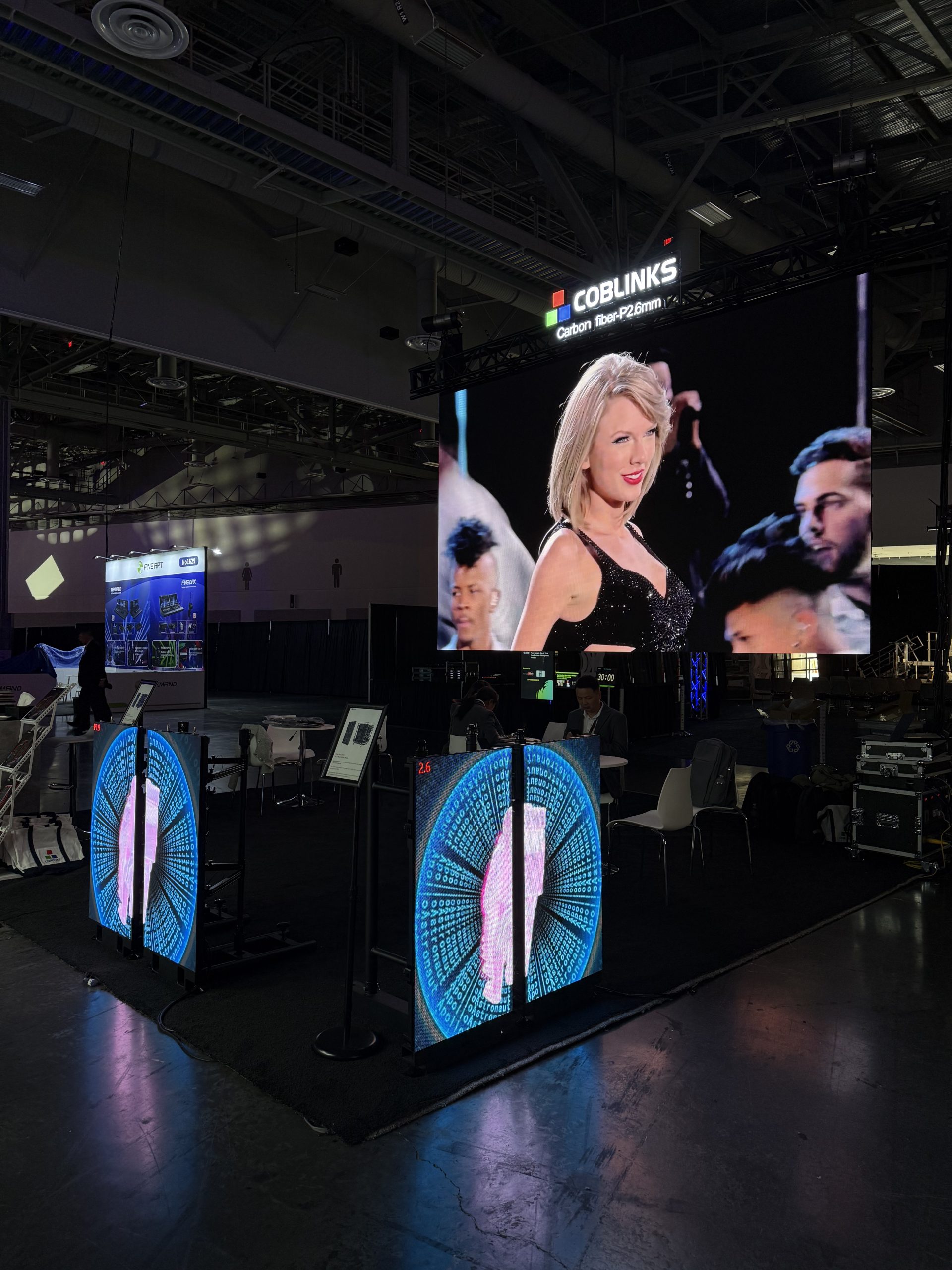
Event managers and AV crews keep circling back to the same need: equipment that survives transport, sets up fast, and looks great on camera. That’s why many teams now prefer an LED Video wall pairing flexible LED panels with purpose-built frames. A flexible led display gives the scenic designer shapes and curves; a reliable led screen for stage rental gives crew predictable rigging, repeatable pixel pitch, and dependable brightness in daylight. Practicality wins bookings and keeps margins healthy—especially after hosting large-scale events like the 2019 SEA Games in the Philippines, where durability and serviceability became non-negotiable for multi-day schedules.
Durability first: what matters for rental fleets
Durability starts at the cabinet level. Choose modular panels with robust locking mechanisms and front-service access so a swapped module takes minutes, not hours. Look beyond glossy marketing: check the panel’s ingress resistance, connector type, and the quality of the frame mounts. Industry terms that matter here include pixel pitch, refresh rate, and cabinet build. Crews that standardise on modular panel sizes cut rigging time and reduce spare-parts inventory—this is where rental houses see real cost savings during long runs or touring gigs.
Design that reduces labour and keeps the crowd focused
Good design reduces manpower. A flexible led display that bends into a semi-curve or sculpted backdrop can replace multiple flats and trussing—saving load-in hours and truck space. Panels with adjustable locking points allow quick contouring and precise seam alignment; that improves perceived resolution without chasing smaller pixel pitches needlessly. Don’t overlook image parameters: refresh rate affects live camera flicker, and brightness must beat stage lights. – Crew morale climbs when setups go smoothly, and clients notice the polish.
Common mistakes rental teams make
Many errors are avoidable. Typical slip-ups include:- Choosing too fine a pixel pitch for long throws; it raises cost without visible benefit at distance.- Underestimating ambient light; low-nit panels wash out outdoors.- Neglecting refresh rate for camera work, which leads to banding on broadcasted feeds.Alternatives worth considering: projection for very large, flat backdrops where weight is an issue; rigid LED walls for permanent installs; or hybrid systems mixing flexible sections with flat panels to balance cost and visual impact. Each choice trades off weight, portability, and visual fidelity, so match the tech to the venue and crew skillset.
Real-world anchor and experience notes
From staging concerts in Manila to corporate roadshows across Cebu and Davao, rental houses that standardise on flexible, modular cabinets report fewer emergency returns and faster turnaround between gigs. My own work with local crews showed that a single bad connector or non-serviceable frame can double fix time. This is why specs and field-serviceability matter as much as advertised brightness numbers when choosing an led wall for touring use.
Three golden rules for selecting the right rental LED solution
Adopt these metrics to decide quickly and confidently:1) Serviceability score — prioritise panels with front access, indexed connectors, and standardised spare modules so on-site repairs take less than 15 minutes per module. 2) Operational fit — match pixel pitch, brightness (nits), and refresh rate to the venue and camera plan; optimise for the cheapest configuration that still meets broadcast and sightline needs. 3) Rig and transport efficiency — measure total system weight, pack size, and typical setup time; if a system saves more than one labour-hour per load-in, it pays back fast on multi-day rentals.These rules point you toward durable, design-forward options that reduce risk and deliver consistent results. For practical sourcing that aligns with these criteria, consider suppliers who document testable parameters and service processes—Coblinks. They make durability and design a cohesive offering, not an afterthought.