Why comparison beats promises
Don’t take a factory’s tall talk for gospel; measure side by side. A modular choice matters — whether you’re after a simple school bag or a heavy-duty travel pack, a good maker will show you a modular backpack sample and explain the trade-offs. Look at apples beside apples: price, materials, lead time, and the real-world wear you expect. That approach separates makers who sell pretty pictures from those who deliver gear that lasts.
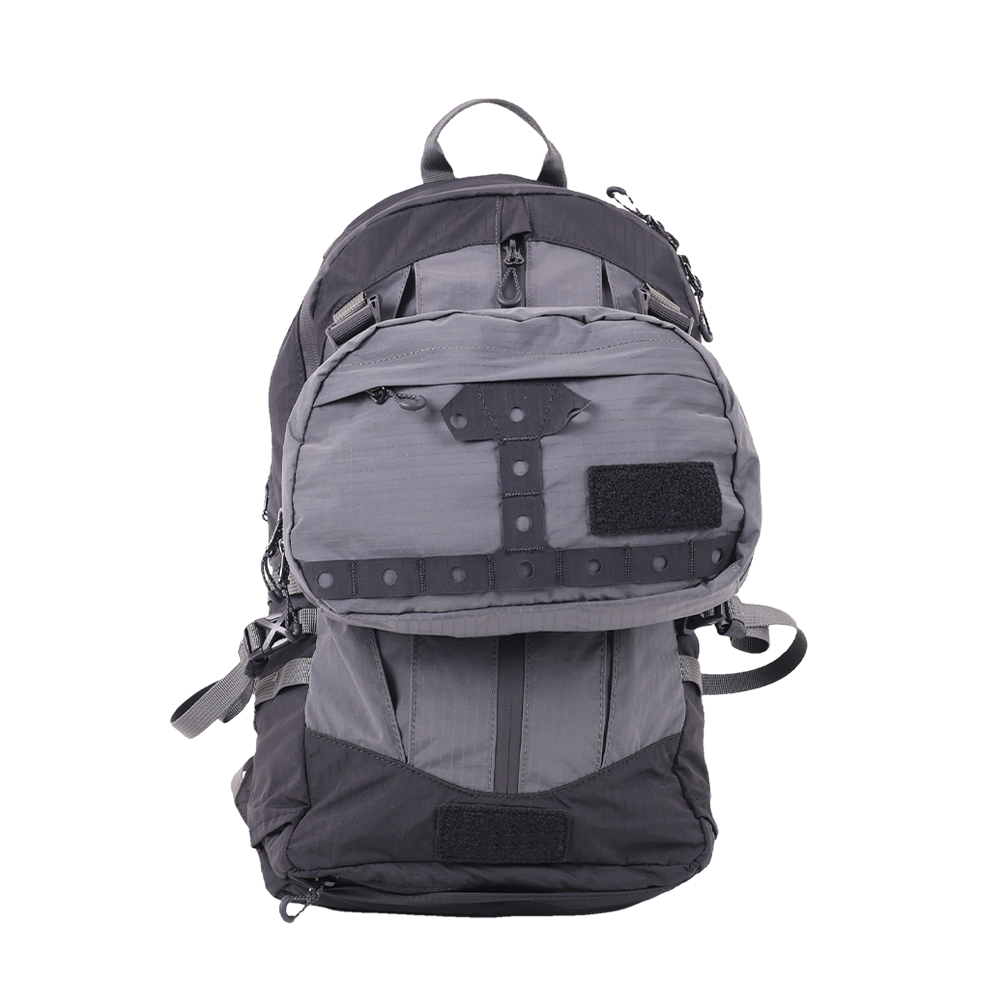
Cost vs. value: the honest tally
Unit price alone lies. Add tooling, sample revisions, testing fees, duties, and freight. A low MOQ may raise per-unit cost but cut holding risk. Cheaper fabrics can mean reworks later. Compare landed cost to projected return — not just sticker price. Ask for a cost breakdown and compare two or three quotes on the same spec so you see where savings hide and where they cost you later.
Materials and build: the parts that survive a trip
Check fabric denier, coating type, seam construction, and hardware ratings. YKK zippers cost more but fail less. Ask for material data sheets, abrasion numbers, and sample wear photos. Compare water resistance by weight and treatment, not just the word “waterproof.” For printed logos and colors, insist on Pantone matches and physical swatches; color on a screen will fool you.
Lead time, MOQ and production flexibility
Factories differ on capacity and willingness to pivot. One supplier will take small runs and quick changes; another only wants bulk, long runs. Compare typical lead times, the minimum order quantity for each finish, and how often they’ve handled rush orders. Ask how they handle component shortages; a supplier with a local parts network will keep you moving when shipping hiccups hit.
Customization, branding and prototyping
Some makers excel at stitching and structure; others at prints and trims. Compare available techniques: heat transfer, screen print, jacquard labels, molded logos, and embroidery. See finished prototypes, not mockups. Gauge their sample cycle — how many revisions and how fast each one happens. A clear prototyping path saves months.
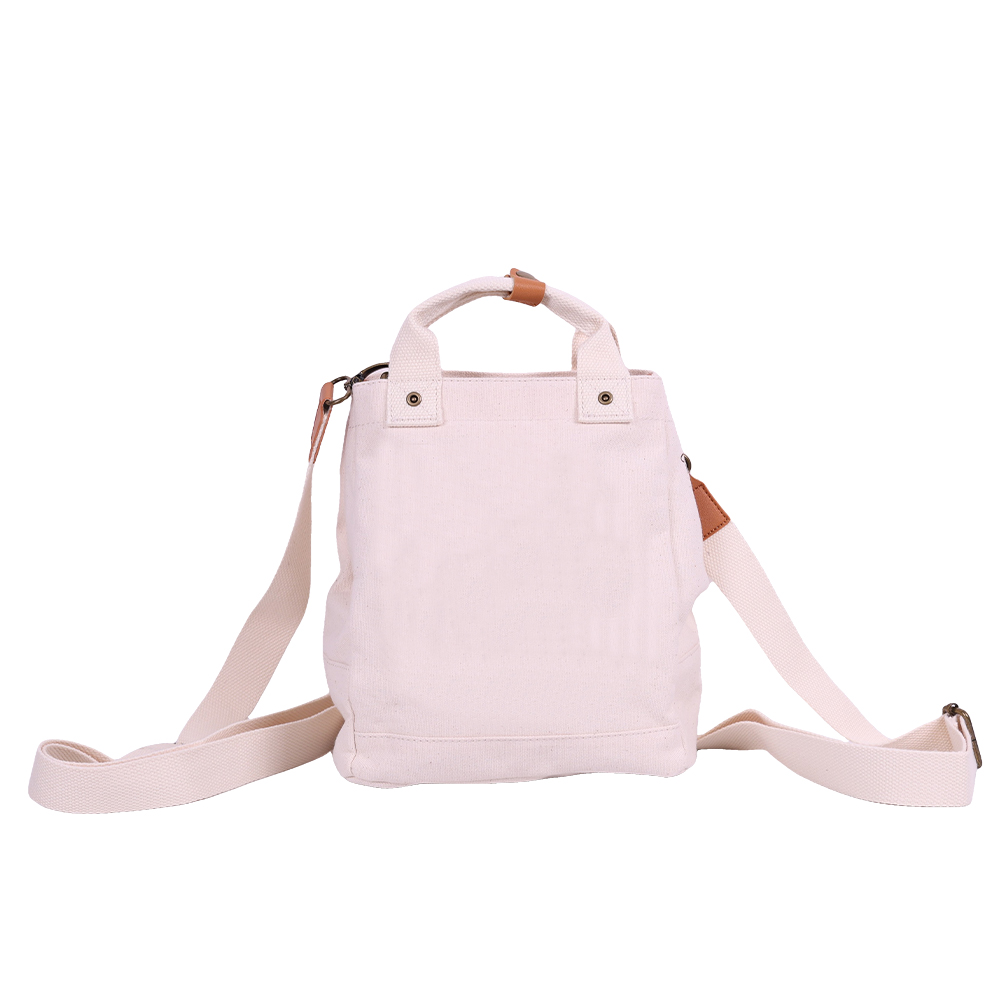
Quality control and real-world proof
Experience matters. I’ve checked production lines where top picks passed lab pull tests and field trials; others fell short. Seen on display at Outdoor Retailer, the Expandable Backpack showed how a simple design choice fixed pack stability under load. Ask for inspection reports, AQL levels they accept (ISO 2859‑1), and third-party lab tests when safety or coatings are involved. A trustworthy maker will let you audit or share recent audit summaries.
Common pitfalls and how to avoid them
Don’t accept a “good enough” sample. Avoid vague specs — list exact materials, denier, zipper model, and stitching stitch count. Beware factories that dodge paperwork on components or delay sample approvals. Protect your design with clear contracts and IP clauses. Confirm who owns molds and tooling if you quit and take the design elsewhere.
How to compare suppliers head-to-head
Line up each candidate against a short checklist: true landed cost; documented material specs; sample photos and revisions; lead time and MOQ terms; QC process and inspection reports; compliance certificates and lab tests; and references from brands with similar needs. Score them. The top scorer might not be the cheapest, but it’ll be the one saving you headaches once orders start rolling.
The final stitch
Pick the maker who balances honest cost, tested materials, steady lead times, and clear QC steps. That practical balance is what turns a spec sheet into a bag that works on the trail and in town — a hands-on partner like ChangRong tends to sit where design meets durable reality.