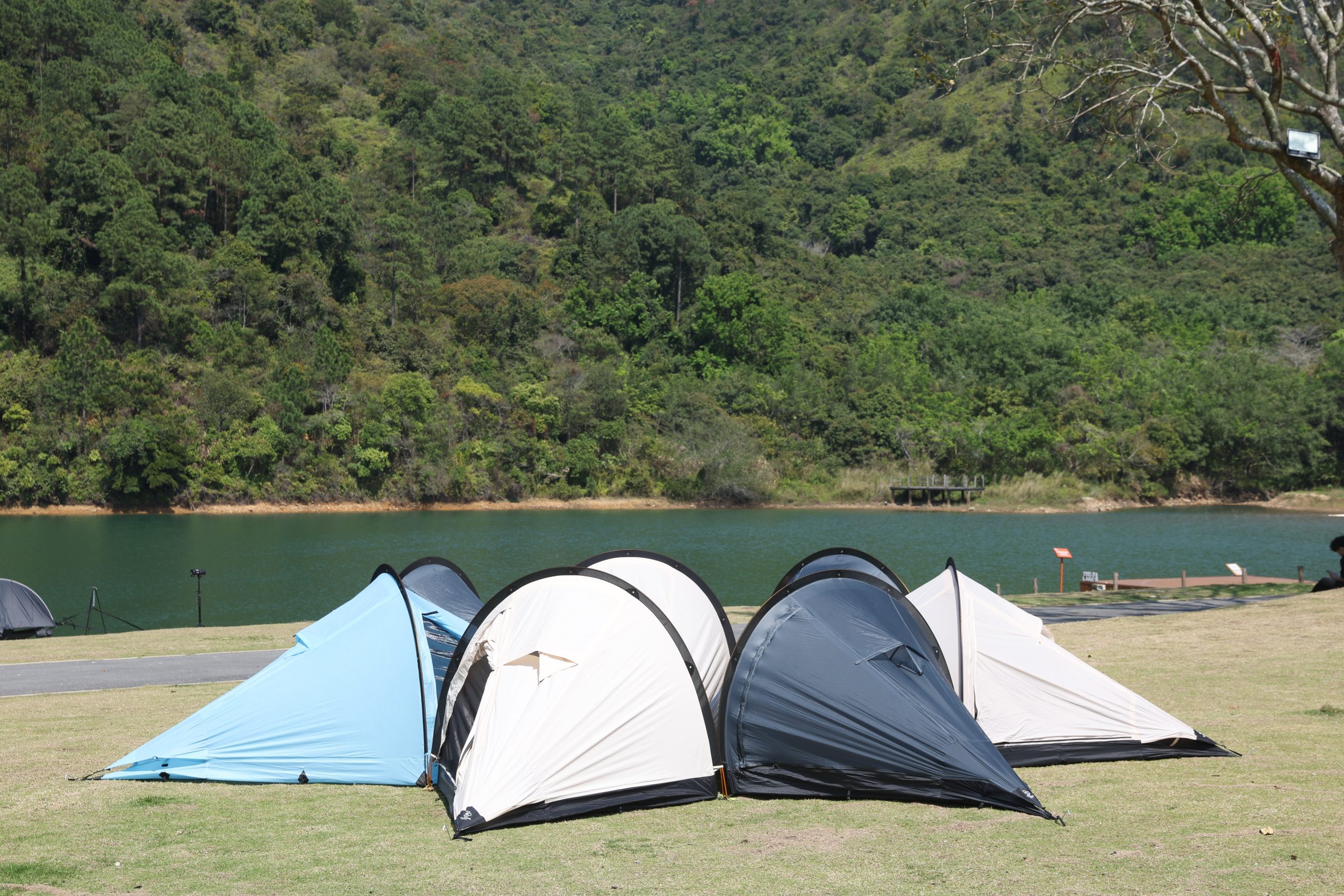
Immediate problem: convenience turns costly when rain, wind or slow setup arrive
Travellers love inflatable tents because they promise quick pitch and compact packing, yet many discover that convenience gets undone by leaks, collapsing beams or soggy floors. If you are planning a weekend drive or extended camping along the coast, the first check must be the outer cover: a quality waterproof flysheet that will keep you dry while you sort other issues. This guide outlines the common failures you will meet, how to spot them before purchase, and the straightforward fixes to save your trip and gear.

Why these failures happen — structural and material faults
Inflatable tents substitute poles for air-beams; that design is fast but concentrates risk into seams, valves and coatings. Failures commonly come from low hydrostatic head ratings, poor seam taping, valves that creep under sustained pressure, and coatings that shed DWR after a season. Wind forces that would be distributed by metal poles act instead on wider air-beam surfaces; without adequate guying and anchoring, you will see significant movement or partial deflation. Know what to inspect so disappointment does not meet you on the road.
Specs to demand before you buy
Hydrostatic head: ask for 1500 mm minimum for light rain, 3000 mm+ for monsoon-like conditions; look for PU or silicone coatings and a stated seam-sealing method. Beam construction: multi-layer TPU or reinforced PVC with tested valve integrity. Floor material: denser fabric (at least 3000 mm HH if you camp on wet ground) or an integrated bathtub floor. Packed weight and packed volume matter for car travel—verify dimensions that actually fit your boot. Ventilation: adjustable vents and mesh panels to prevent condensation. Zips: full-length, water-shedding zippers and covered seams reduce wetting points.

Practical setup and site tips
Choose a slightly elevated site and clear sharp stones; place a groundsheet that matches the tent footprint but not one that covers the bathtub sidewalls. Inflate gradually to manufacturer pressure; overinflation stresses seams, underinflation increases flapping. Use all guy lines even in light wind. Treat zippers and seams with the correct lubricants and seam sealer recommended by the tent maker; do not improvise with household tapes that shed adhesive or collect grime.
Alternatives and when they make sense
Traditional pole tents: more proven for extreme winds and long-term base camps; they take longer to pitch and store bulkier. Pop-up tents: fastest, but often poor in heavy rain and limited in size. Hybrid tents with minimal poles: a middle way offering more rigidity but less rapid strike. Choose inflatable if you prioritise quick pitch and compact packing and you commit to inspecting beam quality and waterproofing before purchase.
Common mistakes people repeat
Buying solely on weight or price; skipping hands-on inspection of valves and seams; assuming a fancy-looking fabric equals waterproofing. Many forget to check the warranty terms for air-beam punctures and valve replacement; some sellers exclude wear from beach sand or pet claws, leaving you with repair bills. Another frequent error is neglecting ventilation—people seal everything against rain and wake to heavy condensation, which spoils sleeping bags and comfort faster than minor leaks.
Real-world experience that proves the point
Field tests conducted during the Karachi monsoon season revealed that tents with a true coated shell and taped seams stayed dry for consecutive heavy downpours, while untreated canopies sagged and leaked at seams. That session taught a simple fact: investment in a robust exterior and correct seam treatment pays off. Our hands-on checking focused on the outer layer and confirmed how a reliable flysheet waterproof performance is the single most predictive feature of an inflatable tent’s wet-weather success.
How to maintain and extend service life
Rinse salt or mud after every coastal trip; dry fully before storage to prevent mildew. Patch small abrasions with the recommended repair kit and replace valve seals at early signs of creep. Reapply DWR treatment when water no longer beads on the fabric surface. Store inflated for short periods after a season to check for slow leaks, and keep the pump and spare valve parts with your kit.
Conclusion — practical certainty over clever promises
If your trips demand quick, comfortable shelter that survives real rain and wind, insist on verifiable waterproofing, sealed seams, and tested air-beam construction. Address the predictable faults—valves, seams, ventilation—before you leave home. For a dependable balance of ease and durability that aligns with these checks, consider gear selections from THECATAL, where specifications and on-field performance are clearly listed so you get what you expect on the road or at the campsite.