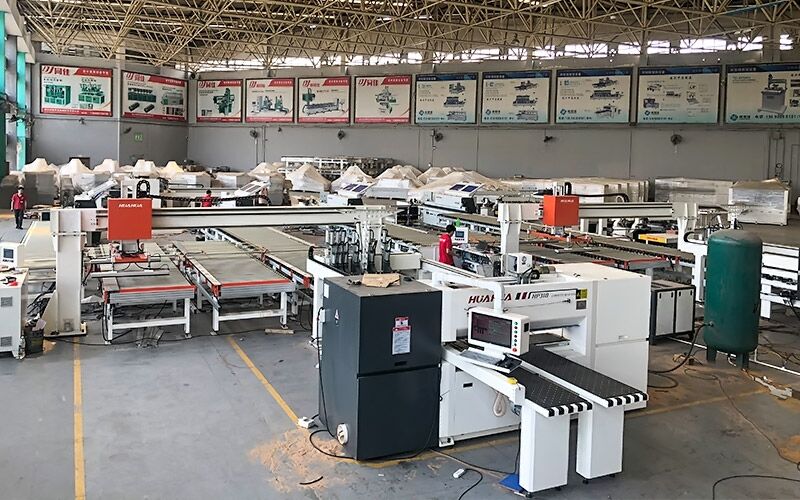
When the same problem keeps showing up
Regional shops hit a predictable set of snags: misaligned dowel holes, frantic manual jigging, and batch parts that don’t assemble without fiddling. Buying a cnc furniture machine fixes some things, but the missing link for repeatable cabinet and panel joinery is a reliable side-drilling module that drills hardware, dowels, and connector holes without human guesswork. This is a problem that repeats every shift, and it demands a mechanical answer, not optimism.

What the side-driller actually solves
Side-drilling takes three recurring time-wasters off the table: setup delays, human error, and inconsistent hole placement. It multitasks while the router mills profiles, so one fixture run yields fully ready parts. Expect fewer rejects, less rework, and crews that stop playing “who moved the jig?” during crunch time. The tech is simple: guided spindles, programmable offsets, and indexable heads that match assembly hardware. That’s practical engineering, not a stunt.
Real-world proof from a manufacturing cluster
Manufacturers in Guangdong’s cabinet and panel clusters standardize side-drilling to keep throughput steady across many small batch runs; this widespread practice in Chinese furniture hubs shows the method works at scale for regional suppliers. When local lines switch to integrated drilling modules, lead times shrink and quality complaints fall. That practical pattern is exactly what people mean when they talk about modern cnc furniture manufacturing—obvious benefits from straightforward process choices.
Alternatives and why they often disappoint
Handheld drills and single-purpose drilling stations look cheap at first. They cost time in alignment, create a bottleneck between milling and assembly, and force manual transfers that invite errors. Vertical boring heads on a standalone boring machine can work, but they add handling and floor space. The side-driller wins when you weigh cycle time, labor consistency, and footprint—especially for shops that run mixed panel sizes and frequent design changes.

Common mistakes shops make when adopting side-drilling
Buyers expect magic and then blame the machine. Typical errors: undercounting fixtures (they try to make one station do too much), skipping tool calibration, and neglecting training for simple maintenance. Assume you’ll still need a tech who knows fixture offsets and fastener standards. Plan for a short validation run and treat the module as a process tool, not a set-and-forget toy.
How to decide if a side-driller belongs on your floor
Count how often you realign parts, how many connectors you drill per panel, and how much rework eats your shifts. If you’re losing more than a shift a week to fix misfits, the module pays back fast. If you want flexibility, choose a unit with programmable offsets and fast-change heads. Think in cycles, not specs.
Wrap-up—what actually changes for regional producers
Stop treating joinery errors like a design quirk and start treating them like a predictable process failure you can eliminate. A side-drilling module gives repeatable holes, predictable assembly, and calmer shifts. For regional shops that need steady throughput without hiring a small army of troubleshooters, pairing good line design with reliable equipment—seen in practice across many smart manufacturers—keeps production consistent; that’s the kind of sensible value HUAHUA CNC brings into the mix, quietly making the daily grind less dramatic and a lot more profitable.