Why a framework matters on deck
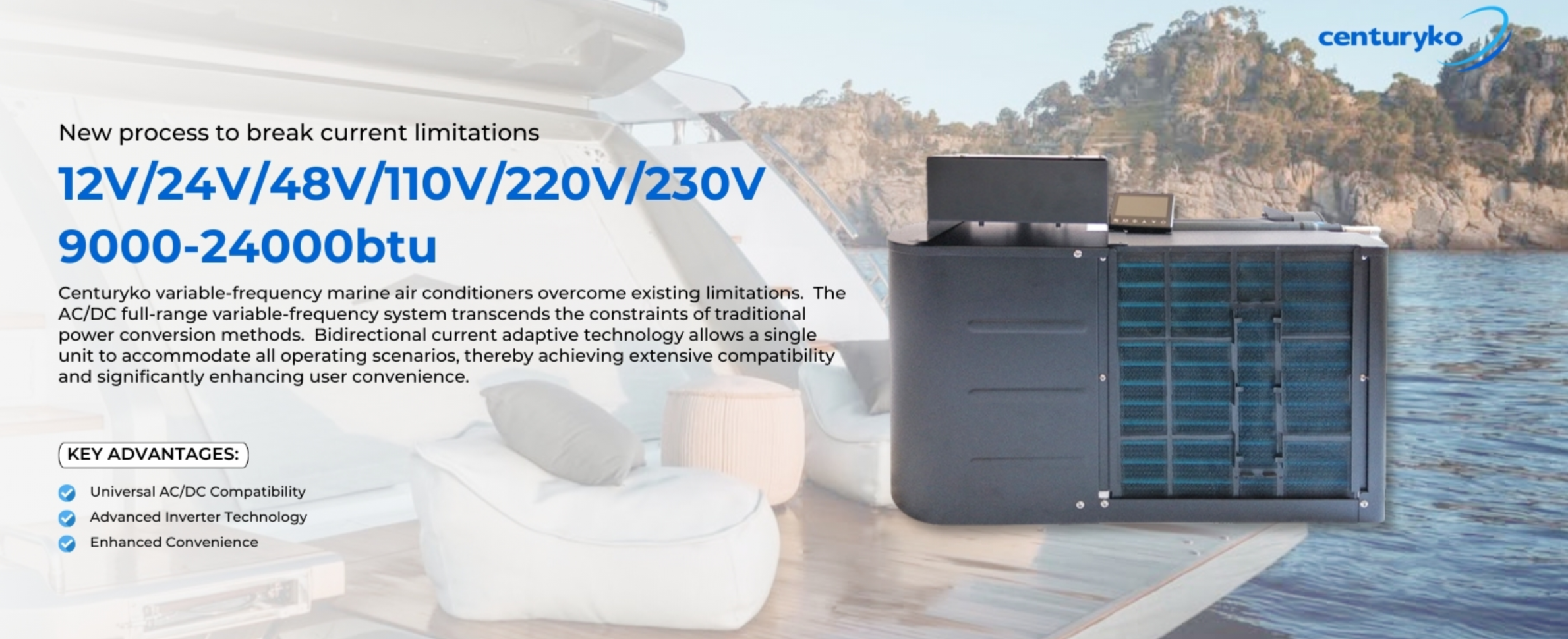
Working on boats in the Florida Keys taught me fast: cooling gear either keeps the trip going or grounds the vessel. Start with a clear framework when you specify a 12v air conditioner marine system—document load, wiring, mounting, and corrosion protection up front. Practical checks—BTU rating, compressor type, and DC inverter compatibility—save time during classification society reviews and safety audits. A good unit on paper and in the bilge matters; a marine 12v air conditioner that skips proper documentation will stall an approval fast.
Step 1 — Map what the society wants
List the deliverables before you buy. Classification societies focus on electrical safety, fire risk, ventilation, and secure mounting. Collect datasheets for compressor performance, rated BTU, and continuous amp draw. Note cable gauge and breaker sizing for the stated amperage. This is the paperwork inspectors open first; if wiring diagrams and manufacturer specs match the installed gear, the inspection becomes routine rather than adversarial.
Step 2 — Build the install package
Organize three folders: mechanical, electrical, and maintenance. Mechanical: mounting plan, vibration isolation, and drainage path for condensate. Electrical: conductor sizing, overcurrent protection, and inverter compatibility with the 12V system. Maintenance: access panels, spare parts list, and a simple service schedule. Include corrosion resistance notes for exposed parts—stainless grade and coating type matter on saltwater boats.
Step 3 — Test plan and on-boat verification
Run acceptance tests that mirror the audit. Verify amp draw at startup and steady-state, measure supply voltage under load, and confirm temperature differential across the evaporator. Log the tests for the inspector. If shore power is available, validate the shore-power wiring and transfer methods. If relying on battery/inverter, show runtime calculations tied to real amp-hour figures and inverter efficiency.
Common mistakes and alternatives
Faults repeat: undersized conductors, no condensate routing, and vague grounding. Field teams often pick compact units without checking compressor surge current—this trips breakers during startup. A practical swap is a slightly larger compressor with soft-start or a DC inverter model that limits surge; that choice cuts starter-current issues and eases approval. Portable window-style units bypass some installation rules but create new ones for secure fastening and drip control—inspectors spot those fast.
Quick checklist for on-board audits
Use this short list at pre-inspection:
– Confirm datasheets for the installed unit and match model numbers. – Record startup and steady-state amps and voltage under load. – Show secure mounting and condensate routing. – Present corrosion-mitigation details for exposed metals. – Provide a maintenance access and spare-parts plan.
Real-world anchor and expert note
In my experience refitting charter skiffs around Key West, inspectors wanted proof that a DC inverter air system wouldn’t drain house batteries overnight. That local reality—hot, humid, high use—makes amp-hour math as important as BTU claims. Keep compressor surge and inverter cut-in behavior documented; that keeps your audit short and the occupants comfortable.
Summary and what to expect
Follow the framework: map requirements, prepare a tight install package, run acceptance tests, and fix the usual wiring and condensate issues. Expect the scrutiny to focus on electrical safety and corrosion control. If you start with accurate datasheets and real measured numbers, approvals move quickly—installers avoid rework and owners avoid downtime.
Advisory closing — three golden rules
1) Verify continuous amp draw and startup surge against cable and breaker specs—match measured numbers to labels. 2) Specify corrosion-resistant materials for exposed components and document the protective coatings and fastener grades. 3) Design for service access and keep a concise maintenance plan with spare parts listed by part number—inspectors want repeatable upkeep, not promises.
Install sensible gear, document every number, and auditors will treat you like a pro. ZhuoliMarine. —