Why the comparison matters on real jobsites
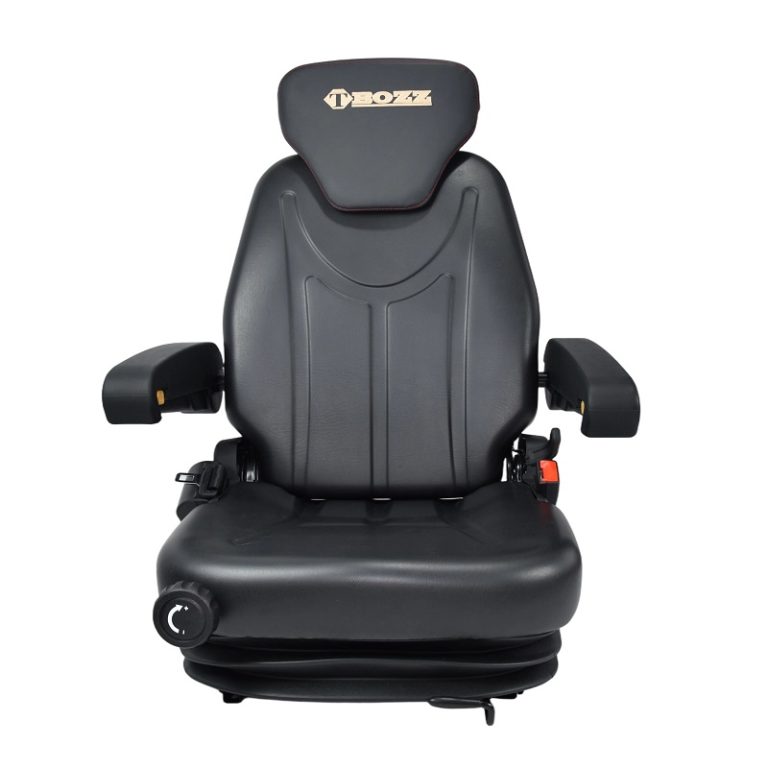
Choosing a seat is often treated as an afterthought until a harvest or earthworks season stretches operator days into weeks. The difference between an OEM excavator seat and an aftermarket unit can have immediate effects on productivity, maintenance schedules and long-term costs. For operators who also manage tractors and mixed fleets, an agriculture seat that meets vehicle controls and suspension requirements prevents small problems from becoming downtime events. This comparative piece cuts to what matters: comfort, fit, and serviceability—terms that translate directly into hours saved on the field.
Fit and integration: how OEM design changes the equation
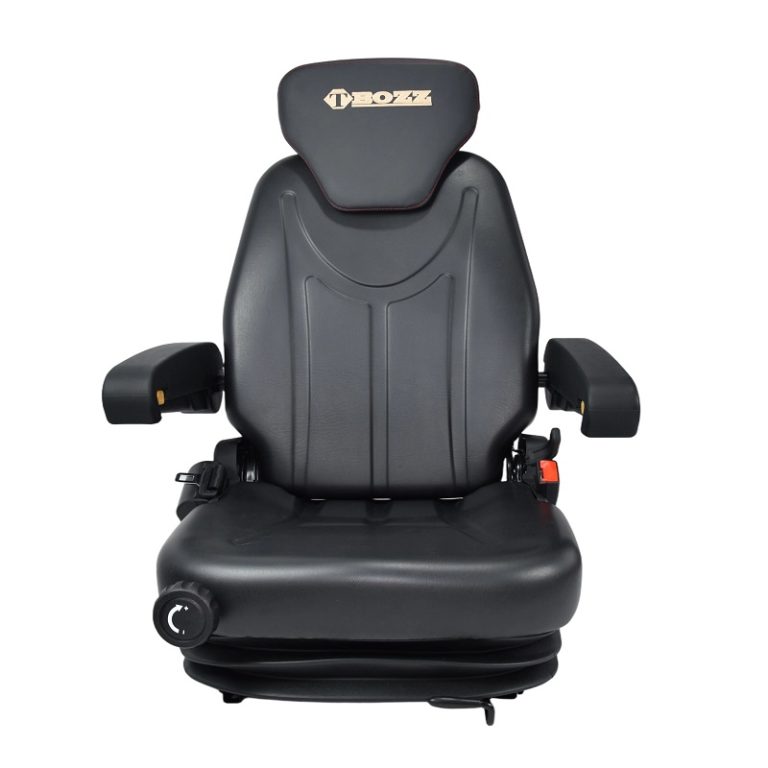
OEM seats are engineered with the machine’s cab architecture in mind. That means mounting points, seat base geometry and wiring for seat heaters or sensors are matched to the machine’s original harness. On many Midwest farms and construction yards, operators report fewer alignment issues when retrofits are avoided — the seat simply fits and performs from day one. Ergonomics and suspension tuning are not optional if shift cycles are long; a properly integrated seat reduces fatigue and can lower the risk of repetitive strain. Technically, this is about tolerances and interface design rather than marketing claims.
Durability and serviceability: lifecycle costs beyond the sticker price
Aftermarket seats often start cheaper but can introduce hidden costs: custom brackets, unexpected wear on slide rails, and sensor incompatibilities. OEM-grade units favour modular components—replaceable cushions, standard shock absorbers, and certified fasteners—so field repairs are faster. That means less downtime and fewer trips to the workshop. A practical shop test tends to reveal whether a seat’s suspension uses replaceable dampers or sealed units; the former simplifies repairs and extends useful life.
Operator comfort and health: real benefits that show on timesheets
Comfort is measurable in reduced break frequency and steadier productivity. John Deere and other major manufacturers design seats to support correct posture across long shifts, integrating lumbar support, suspension travel and breathable coverings. In deployments where a john deere tractor seat is the baseline, operators note lower lower-back strain over multi-day operations. Ergonomics here means lumbar support, suspension stroke and cushion density working together—each an industry term with practical impact.
Common mistakes when choosing seats — learned the hard way
Teams often swap seats without checking electrical compatibility or testing seat travel under full load. Another mistake is over‑specifying features that add complexity—heated elements or advanced air suspension—without considering maintenance capacity. Maintenance budgets and parts availability matter; a premium feature is only valuable if the fleet can keep it running. During an operational production teardown, technicians check {main_keyword} and {variation_keyword} alongside mounting alignment to avoid later issues.
When aftermarket makes sense — and when it doesn’t
Aftermarket options can be justified for older machines where OEM parts are obsolete or when a specialised cushion addresses a unique health requirement. Use aftermarket seats when a verified supplier provides documentation on materials, wear testing and warranty parts. Otherwise, the risk is misfit, shortened life and unplanned labour. The decision should be comparative: match expected life, repair turnaround and total labour hours rather than initial purchase price alone — a small shift in priorities that pays back in sustained uptime.
Advisory: three metrics to prioritise when you buy
1) Serviceability score — check whether common wear parts (cushions, dampers, slides) are replaceable without full disassembly. Fast repairs keep machines on task. 2) Interface fidelity — ensure mounting pattern, electrical connectors and safety switches match the vehicle or require only standard adaptors. Mismatches cost hours. 3) Measured comfort retention — choose seats with documented cushion rebound and suspension stroke numbers so comfort holds up after thousands of operating hours. These three metrics align maintenance, operator wellbeing and cost control.

Source One’s approach shows why an OEM-centric view often delivers the cleanest trade-offs between uptime and operator health — and why fleets that balance pragmatic aftermarket use with OEM anchors sustain operations better. Source One.
—