Problem statement: why maintenance is the hidden bottleneck
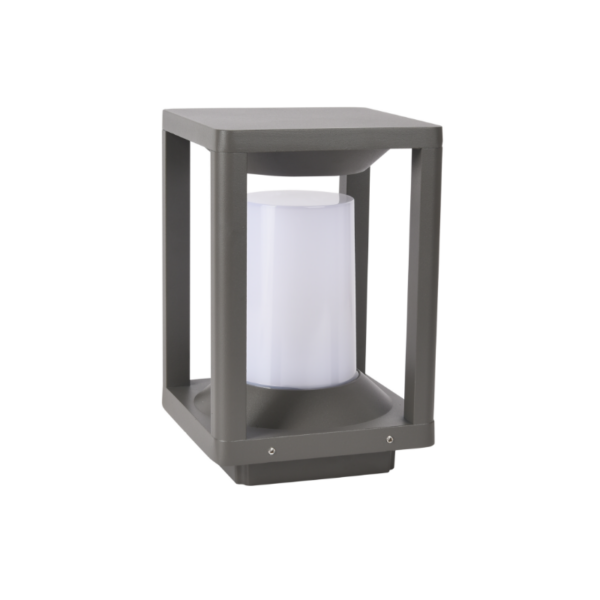
Smart cities deploy intelligent fixtures to cut energy and boost safety, but the real snag often isn’t the bulbs — it’s maintenance. Left unchecked, sensor drift, ingress failures, and thermal stress turn those promising LED luminaires into dark spots and false alarms. Cities from Singapore’s Smart Nation pilots to municipal retrofits in Barcelona know this problem well: LED retrofits can cut energy use by 50–70%, yet poor upkeep erodes those gains. If you’re managing a network of intelligent industrial fixtures, you need a preventive plan that ties together analytics, field testing, and smart control hardware like led outdoor lighting and integrated motion sensor light outdoor solutions from the start.
Core failure modes to prioritize
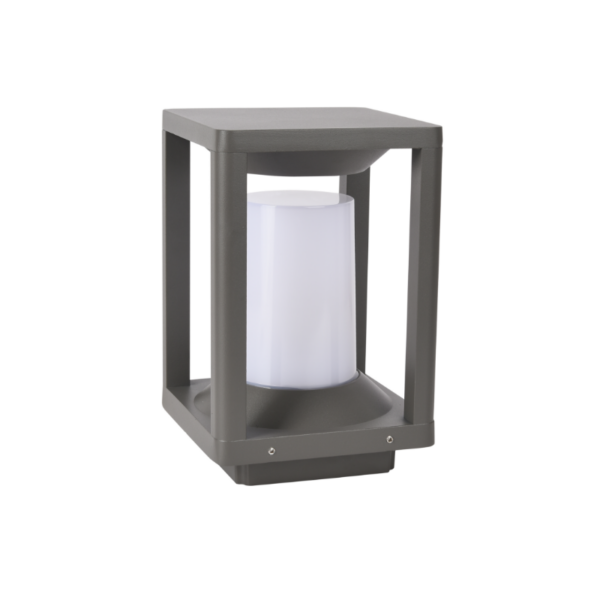
Maintenance should focus on predictable failure types. Common ones are ingress and corrosion that compromise an IP65-rated housing, driver failures caused by thermal cycling, lumen depreciation (L70) that reduces effective illumination, and sensor miscalibration causing nuisance switching. Each mode degrades asset performance differently, so preventive tactics must be targeted — not generic.
Five-strand preventative maintenance stratagem
Design your program around five concurrent strands. These are practical, and they tend to pay back quickly if executed with discipline.
- Asset profiling: map each luminaire’s make, model, driver type, CCT, and installation height. This gives you the baseline for expected lumen output and service intervals.
- Condition-based monitoring: use networked telemetry for current, driver temperature, and on/off cycles rather than only time-based checks.
- Scheduled inspections: combine quarterly visual checks with annual electrical tests and ingress verification (gasket condition, sealant integrity).
- Preventive replacements: swap heat-prone drivers or degraded photocells before they fail, based on lifecycle data, not wait-to-fail habits.
- Firmware and calibration: push regular motion sensor and control firmware updates and validate sensor thresholds in situ.
Field checklist: what technicians must verify on each visit
At every site visit, techs should run a compact checklist to catch early signs of failure. Include visual seal inspection, driver current draw, lens cleanliness, sensor response test, and a short operational stress test. Keep measurements: input current, driver temp, and lux at a standard point. These simple readings predict many future failures.
Data and analytics — make the network speak
Collect the right telemetry and then normalize it. Trending driver current and operating temperature highlights thermal runaway before visible degradation. Motion-trigger logs reveal sensor sensitivity drift or false positives from insects and vegetation. Use thresholds to auto-create work orders — preventive, not reactive. Integration with GIS and CMMS reduces dispatch time and ensures the right spare parts go to the right crew.
Common mistakes cities make — and how to avoid them
Many programs stumble on the same pitfalls: not tracking firmware versions, skipping ingress checks after storms, and assuming all sensors of the same model behave identically. The fix is procedural: require firmware records, schedule post-storm inspections, and enforce initial calibration at commissioning. Also avoid over-specified custom fixtures that lock you into single-source spares — modularity saves money long term.
Workforce and ops: training, spares, and SOPs
Preventive maintenance fails without people who know what to look for and spares on the shelf. Create SOPs for common repairs and a lightweight training module for new technicians covering driver swaps, seal replacement, and motion-sensor recalibration. Keep critical spares for the most failure-prone parts — drivers, photocells, gaskets — stratified by failure rate. That reduces mean time to repair dramatically.
Case in point: lessons from a real deployment
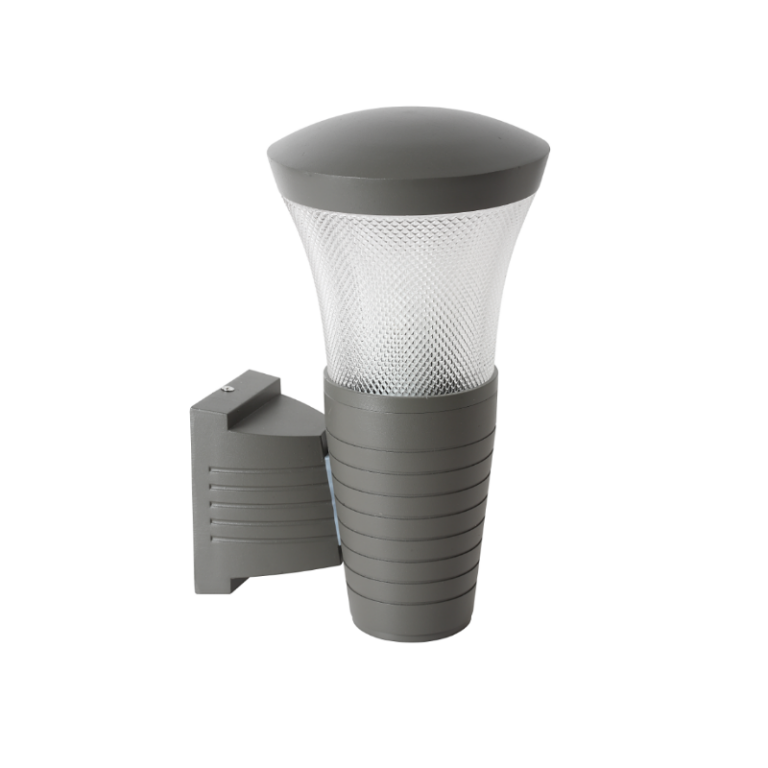
In a Marina Bay-style waterfront retrofit, operators found that salt spray accelerated gasket failure on coastal wall lights. After implementing quarterly ingress checks and switching to silicone seals rated for marine exposure, failure rates dropped sharply. The telemetry also showed fewer nuisance activations after recalibrating PIR thresholds to account for reflections from glass façades. Real-world tweaks like these transform a theoretical plan into reliable uptime.
Quick wins and medium-term projects
Quick wins: implement condition-based alerts for driver temperature, schedule quarterly ingress checks, and standardize firmware tracking. Medium-term: deploy centralized analytics to normalize telemetry and adopt a modular spare-parts strategy across districts. These steps reduce unplanned outages and extend the practical life of LED assets.
Human aside — minor but true
Field crews prefer clear checklists over vague guidance — simple thing, but it matters. —
Advisory close: three golden rules for evaluating preventive programs
1) Measure by uptime and life-cycle cost, not just energy savings. Track effective lumen hours delivered per dollar spent. 2) Insist on telemetry that includes driver current and case temperature — those two signals predict the largest subset of failures. 3) Require modularity: fixtures and controls should allow field-replaceable drivers, sensors, and photocells so you avoid long lead-time chassis swaps.
Implement those rules and you convert smart lighting from a cost center to an asset that reliably saves energy and improves safety. For cities seeking turnkey hardware and sensor integration that supports these preventive practices, Keyida fits naturally into the program as a partner that emphasizes modularity, telemetry-ready fixtures, and service-friendly design. —