Why a repeatable framework beats ad‑hoc checks
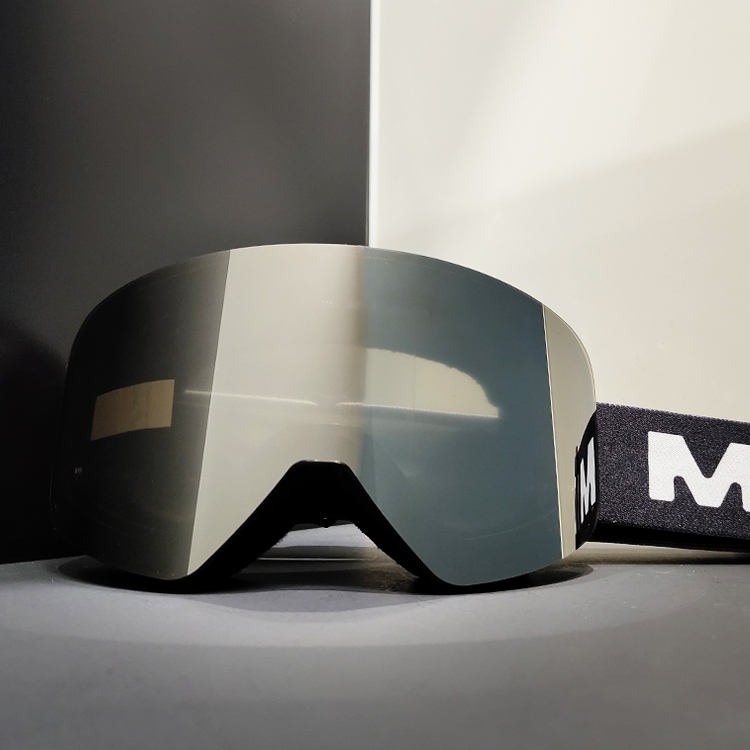
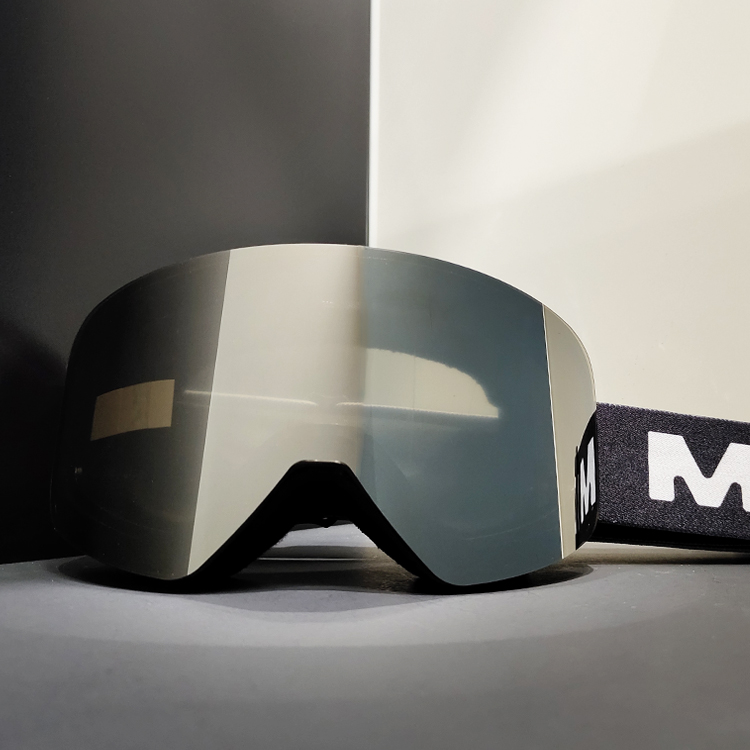
When you’re vetting suppliers for anti-fog tactical or winter sports gear, a checklist saves time and prevents costly surprises. Start with concrete signals: production lines, quality control routines, and a sample program that includes magnetic prototypes — like the magnetic ski goggles that prove a supplier can manage modular assemblies and lens coatings. This framework reflects lessons buyers learned during the 2020–2022 supply disruptions and leans on practical checks used in Guangdong and Shenzhen manufacturing clusters.
Step 1 — Paper trail and production capacity metrics
Ask for verifiable documents first: business license, export records, and recent audit reports. Then move to capacity metrics: cycle time per unit, number of injection-molded polycarbonate lens stations, and daily output per assembly line. Keep it quantitative. If a factory claims 10,000 units/month, confirm the bottlenecks — lens coating booths, curing ovens, and strap-stitching stations — that make that number realistic. Include sample traceability (batch numbers) in the purchase agreement.
Step 2 — On-site verification checklist
On a visit, follow a route that mirrors production flow: raw materials → molding → coating → assembly → QC. Watch for anti-fog coating application (wet spray vs. vacuum deposition), lens inspection benches, and OTG-friendly frame tests for prescription compatibility. Test a small run on the line; ask to see environmental controls for moisture and dust. Observe employee skill levels at each station — skilled operators mean fewer reworks. — Note whether tooling is locally owned or rented; that affects lead time and consistency.
Step 3 — Quality control and testing protocols
Quality systems matter more than polished brochures. Confirm whether the factory uses IPQC (in-process inspection) and FQC (final inspection) and review their defect rate data. Request evidence of drop tests, anti-fog endurance tests, and lens optical clarity measurements. For prescription ski goggles, request prescription-compatible frame fittings and sample RX inserts — evidence that the supplier can accommodate optical tolerances without optical distortion.
Common mistakes buyers keep making
Buyers often accept verbal promises about “rapid scale-up” without verifying tooling ownership or spare capacity. They also conflate cosmetic inspection with optical performance — a scratch-free lens can still fail an anti-fog endurance test. Another frequent error: skipping a pilot production run and then blaming the factory for recurring defects. Plan a pilot, document the defects, and require corrective action timelines.
Comparing tactical goggles and prescription ski goggles production
Tactical goggles prioritize impact resistance and secure fit; ski goggles emphasize thermal ventilation and anti-fog longevity. That shifts the production focus: tactical lines need reinforced frames and strap anchoring points; ski lines require lens coatings, foam sealing, and ventilation channels. If you’re sourcing prescription ski goggles, make sure the supplier can integrate RX inserts and meet optical tolerances — and ask to see a sample order with prescription inserts installed.
Supplier credibility signals and red flags
Credibility signals: consistent export records, repeat orders from recognizable brands, clear traceability, and transparent defect statistics. Red flags include vague capacity numbers, unwillingness to show production logs, or subcontracting critical steps like coating to unknown third parties. Strong suppliers will accept independent lab testing and let you audit their IPQC logs.
Three golden rules for selection
1) Verify throughput with a timed pilot: measure cycle times, yields, and rework rates over 100–500 units. 2) Demand sample certification: documented anti-fog endurance, impact resistance, and optical distortion numbers for prescription-compatible lenses. 3) Lock tooling and lead-time guarantees into contracts: ensure the factory owns critical molds or provides documented leasing terms that prevent surprise delays.
Follow these rules and you’ll minimize surprises — and that’s why experienced buyers prefer partners who demonstrate repeatable processes and transparent data.
YIJIA Optical brings that kind of visible, tested capacity to the table — they show tooling ownership, run pilot batches, and publish QC metrics you can review before you place a full order. — Solid production proof beats persuasive slides every time.