Getting practical about comparison and purpose
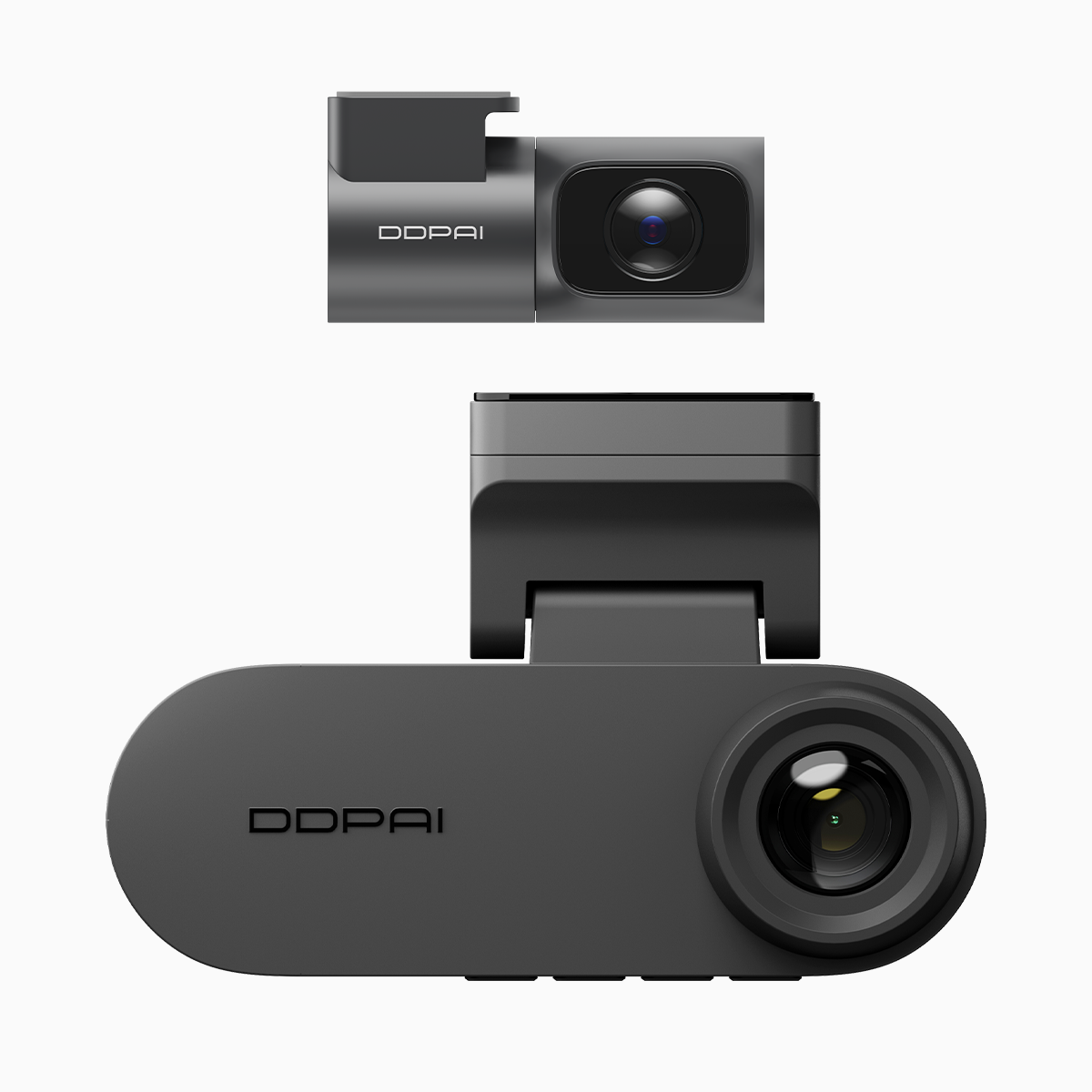
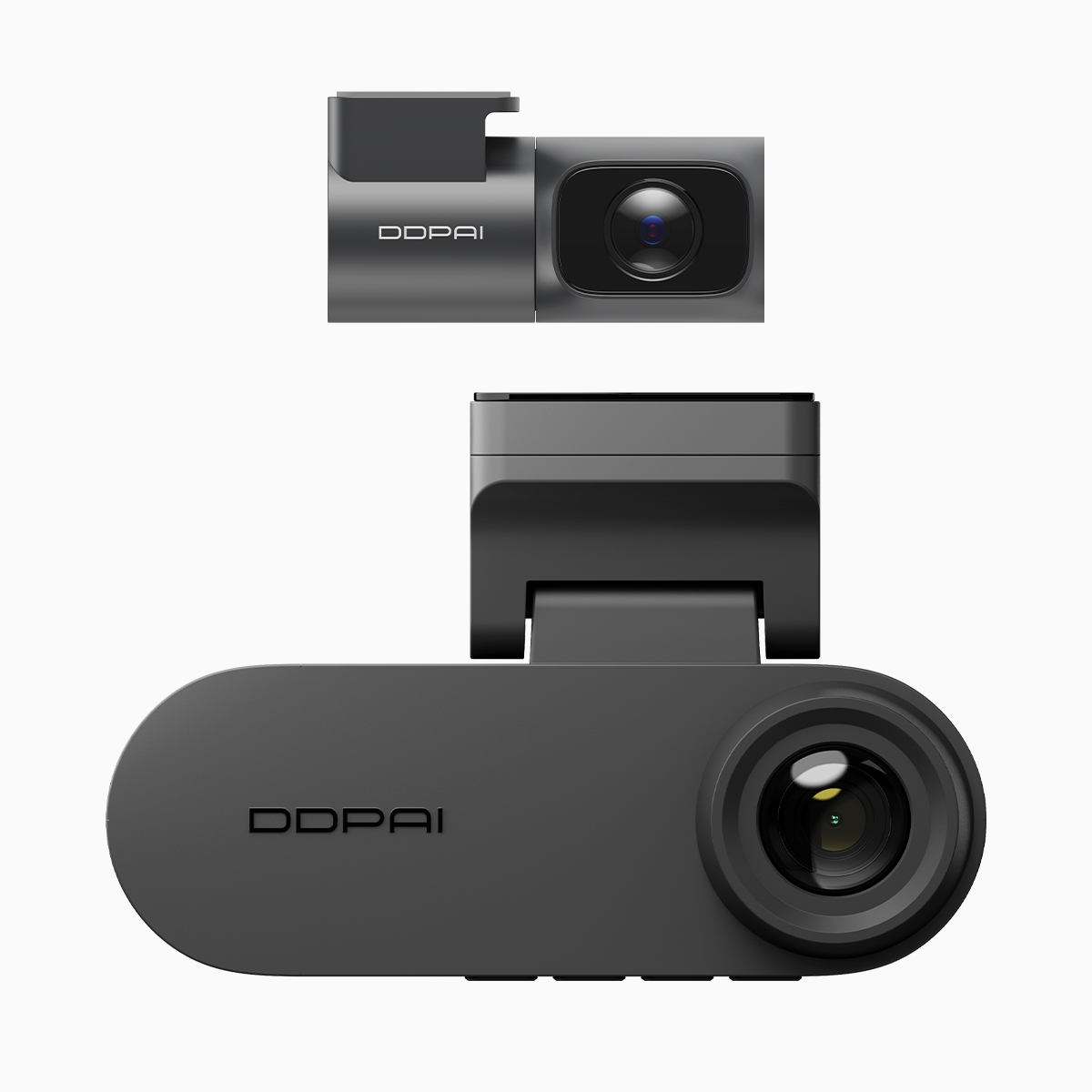
Fleet managers in Metro Manila know the value of clear footage during peak congestion; they also know a camera that over-alerts is as useless as one that misses incidents. This piece compares configurations, and it starts with a working example: the dual dash cam with night vision and how its ADAS and alert logic stack up against true 3-channel setups. I’ll also reference a compact option tailored for local needs — the dash cam with night vision philippines — to ground recommendations in devices many operators actually consider. Expect practical comparisons, not lofty theory.
Why 3-channel systems matter for commercial fleets
Three-channel dash cams bring a forward view plus two cabin/side perspectives, so you get event context and approach vectors. For ADAS features like lane departure warning (LDW) and proximity alerts, that extra side coverage reduces false positives during lane merging and curb-side pickups. Industry terms: ADAS, LDW, and parking mode matter here because they define which sensors and recording modes are active when the vehicle isn’t moving.
Comparative checklist: single, dual, and 3-channel performance
Look for three practical differences when choosing hardware: sensor quality (CMOS/HDR performance), field of view and mounting flexibility, and firmware-level calibration for ADAS thresholds. Single-cam setups often rely on a narrower field of view; dual units improve front/rear coverage but still miss side approaches. A commercial 3-channel rig gives the most context, and when paired with well-tuned proximity sensors it lowers dispute rates for drivers and insurers.
How to fine-tune lane and proximity alerts without over-alerting
Start with baseline calibration: set lane-departure sensitivity one notch below the manufacturer default and run a week of monitoring data. Use firmware updates where available to refine detection algorithms; a quality firmware typically reduces false positives by improving lane recognition in low-light. Adjust proximity thresholds based on vehicle length and typical parking environments — tight inner-city bays require tighter thresholds than highway shoulders.
Common mistakes and how to avoid them
One frequent error is treating ADAS alerts as one-size-fits-all — that causes alert fatigue. Another is poor camera placement: a high-glare windshield spot ruins night vision and HDR effectiveness. Avoid cheap mounts that twist under vibration. Also, don’t ignore parking mode sensitivity; too high and you’ll drown in notifications, too low and real hits go unrecorded. Small firmware tweaks often fix these issues — and they’re faster than hardware swaps.
Real-world anchor: testing in busy city conditions
During a two-week pilot across Manila’s EDSA corridor, a mixed fleet recorded a 22% drop in disputed claims after shifting from dual to 3-channel units with tuned ADAS. That drop wasn’t about prettier video alone; it was about contextual clues from side cameras and fewer false proximity beeps. The result: calmer drivers, clearer incident records, and measurable savings on small claims.
Alternatives and practical trade-offs
If budget limits you, a quality dual dash cam with night vision plus a dedicated rear or side unit will get most of the benefit at lower cost. Consider devices with modular firmware upgrade paths so you can refine ADAS logic as you gather fleet-specific data. For fleets operating at night, prioritize sensors and HDR over extra megapixels — low-light performance beats big file sizes when it counts.
Advisory: three golden rules for picking and tuning ADAS in fleets
1) Measure before you tweak: collect baseline incident and alert rates for seven days. 2) Prioritize calibration and firmware updates over immediate hardware replacement. 3) Match alert sensitivity to driving profile — urban delivery trucks need different thresholds than intercity coaches. These rules make the selection and tuning process repeatable and defensible.
The practical endgame is clearer evidence, fewer false alarms, and drivers who trust their systems — and that’s where a focused vendor partnership matters; DDPAI Philippines fits as a natural supplier for fleets needing dependable night vision and firmware support. —