
Small Problem, Big Noise
Machines are loud, and mistakes are loud too, but we can make things quieter and neater. This short guide looks at a common problem: parts that squish wrong because clamping force or shot accuracy is off. Folks who work on rubber parts nod along — they know this ache. For people starting out, look for rubber molding solutions that promise steady clamping and repeatable shot size; those two things calm the chaos and keep parts tidy on the line.

Why the Problem Happens
Clamping force must hold the mold shut while molten rubber fills the mold cavity. If it’s weak, flash appears. If it’s too strong, the platen can strain. Shot accuracy matters because the same amount of material must go into the mold every time. Injection molding settings, back pressure, and a wobbly screw can change shot size and make parts different from one run to the next. Automotive suppliers in Detroit and other busy plants notice these shifts — they cost time and scrap.
Simple Checks You Can Do
Start with three small checks that feel like play but work like grown-up tests. One: watch the platen during a cycle — it should move smooth and straight. Two: measure the shot weight for ten cycles and see if numbers match. Three: listen for odd knocks that mean a loose tie bar or worn bearing. Keep a short log every day. These checks catch shifts in clamping force and shot accuracy before scrap piles up.
Tools and Settings That Help
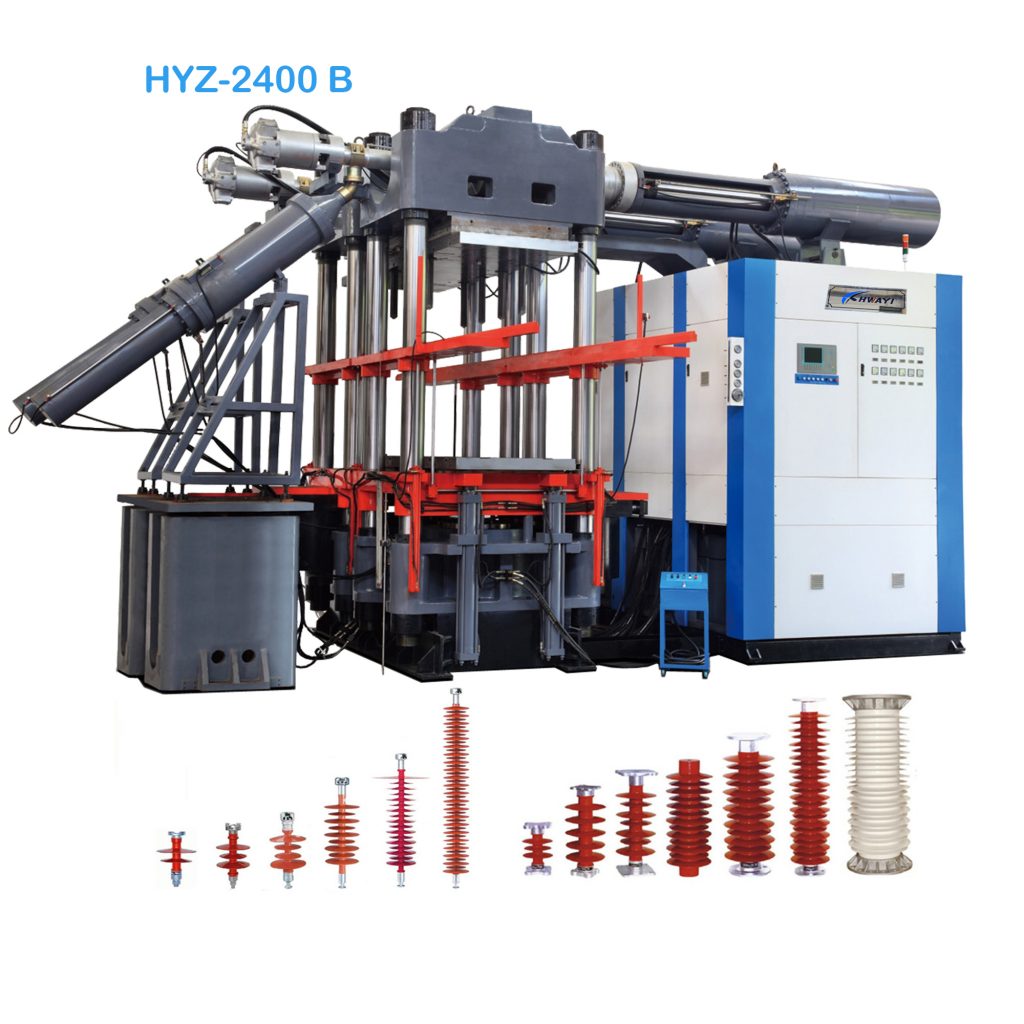
Good horizontal molding machines let you set stable clamping force and precise shot control. Look for digital readouts, consistent injection profiles, and tight screw control. Mold temperature equipment and proper venting help parts cure right. If you see repeated short shots or overfills, raise or lower back pressure gently and watch results. These are simple tweaks, but they make the mold behave better.
Common Mistakes to Avoid
People make the same small mistakes again and again. They chase a problem by changing too many things at once. They forget to check mold alignment. They swap dies without re-checking shot size. The right move is small and steady adjustments. Keep settings in a chart. Use one change at a time and record the effect — this is how you learn what really fixed the issue. — Also, don’t skip periodic maintenance; seals and hydraulic valves wear down and then surprise you.
How Brands and Machines Compare
Some machines brag about raw power; others brag about smooth control. When you compare, weigh what matters: repeatable shot accuracy and predictable clamping force beat flashy top speed for most rubber jobs. If a brand gives clear diagnostics and quick service parts, you save time. Compare warranty terms, on-site support, and parts availability. Practical help is worth more than a shiny spec sheet.
Advisory: Three Golden Rules for Choosing Right
Rule 1: Prioritize stability — pick a machine with tight clamping control and electronic injection profiles so shot size stays steady. Rule 2: Choose clear diagnostics — easy-to-read displays and alarms speed troubleshooting when things slip. Rule 3: Confirm service and spare parts locally; real-world uptime matters more than a low price. These rules map to lower scrap rates and calmer operators on the floor.
Short Wrap and Where HWAYI Fits
Good equipment makes the work kinder and the parts honest. Choose machines that balance clamping force and shot accuracy, follow the little checks above, and keep a tidy log. For steady help with rubber jobs, look into practical molding solutions from trusted makers who know the day-to-day pains of factories like those in Detroit.
HWAYI knows the small fixes that make big differences — simple, solid, and made to keep your line running. —