A speculative opening — why this matters now
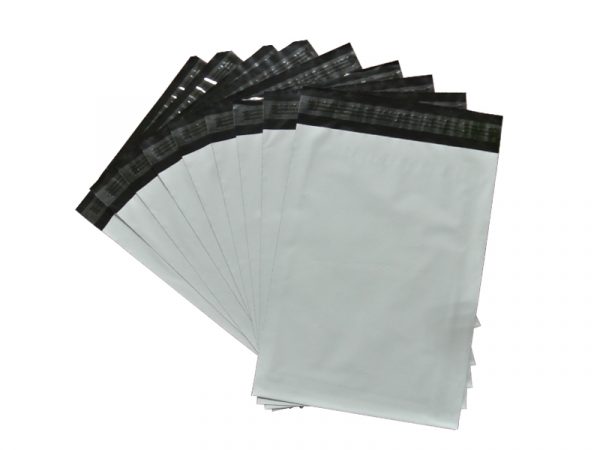
Imagine extrusion lines that tune color like a conductor cues an orchestra: they crank opacity without compromising seal strength, then prep the surface so inks bite instantly. That future is nearer than you think — especially for brands shipping standout parcels and testing durable aesthetics on everyday substrates. If you’re sourcing packaging today, also consider how small changes upstream affect fulfillment: even a subtle shift in polymer blend can change print performance on white poly bags for shipping. The 2020–2021 global supply-chain disruptions taught suppliers and brands the hard lesson that material choices and process controls are strategic, not cosmetic.
The trajectory: what modern blown-film extrusion lines are adopting
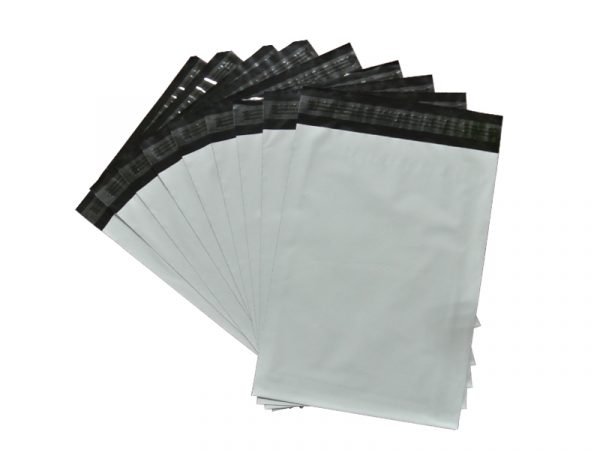
Over the next few years, blown-film extrusion will move from rigid recipes to adaptive process control. Lines are already using co-extrusion heads, masterbatch metering, and inline thickness sensors to deliver consistent opacity and color saturation. Inline corona and plasma units are becoming standard to boost surface energy before printing, reducing reliance on heavy primers. These shifts let manufacturers produce purple poly mailers with predictable ink adhesion and fewer rejects — and they do it at scale without massive tooling changes.
Why purple mailers are a special case
Purple isn’t just a color — it’s a test of materials science. Deep pigments and higher opacity demands push manufacturers to increase pigment load or add filler. That affects film flexibility, seal behavior, and recyclability. Polyethylene blends optimized for strength can be less receptive to solvent- or water-based inks, so the line must balance polymer chemistry with print prep. If your brand wants a saturated, smear-proof logo on a purple mailer, you need both the right resin and the right surface treatment in the same production run.
Key technical levers that improve opacity and ink adhesion
There are a few practical levers engineers pull on a modern line:
- Co-extrusion: layering a pigmented skin over a carrier layer gives opacity without a thick film core — better gauge control and lower cost per unit.
- Masterbatch dosing: precise pigment concentrates keep color consistent across lots and reduce waste.
- Surface treatment: corona or plasma raises surface energy, improving ink wetting and bonding before printing.
- Primer films or thin coating stations: when inks need extra bite, a micro-priming layer can be applied inline to boost adhesion without lamination.
Each lever has trade-offs — for instance, adding filler to increase opacity can reduce seal integrity if not compensated by heat-seal parameter tuning.
Alternatives, trade-offs, and common mistakes
Some teams choose lamination (print on a facestock then laminate to film) to avoid print challenges on colored film. That works — but it adds material, weight, and cost. Metallization adds shine and opacity but kills some recycling streams. Common mistakes include skipping adhesion testing with the actual inks and pragmatic over-inking: designers push for denser prints without asking if the film’s surface energy supports it. Another frequent oversight is assuming one corona treatment setting fits all lots — material batches vary, and treatment intensity should be validated in-line.
Don’t forget metrics like seal strength and friction coefficient; you might nail the look but fail on logistics — packages that split or stick together hurt CX and returns. —
What to test before scaling
Before a full production run, run this test suite on any purple poly sample:
- Ink adhesion tape test (ASTM D3359-style protocol) after a standard cure window.
- Rub and abrasion resistance under simulated handling.
- Opacity and colorimetric checks against your brand standard; measure ΔE to quantify drift.
- Heat-seal trials across the expected sealing equipment range to confirm seal strength and leak resistance.
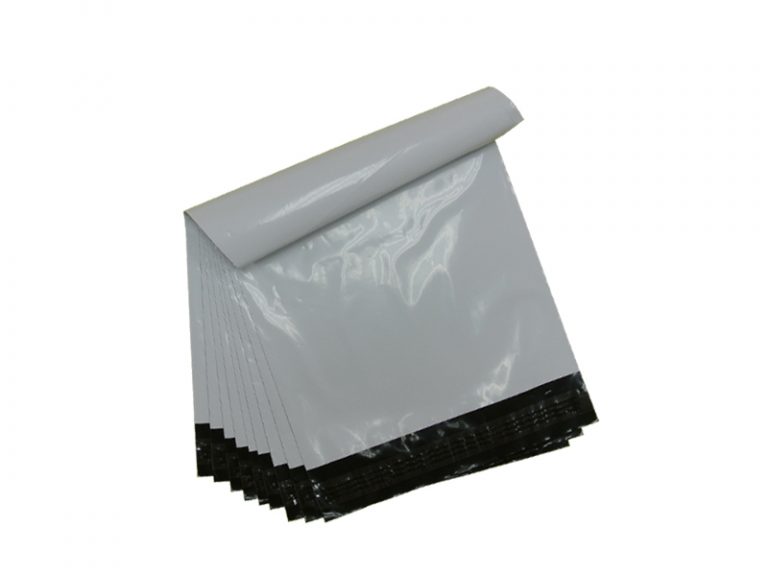
And when possible, trial runs should use the exact inks, primers, and fill-line processes you’ll employ in production — small deviations in solvent or curing can change results dramatically. For consistent baseline materials, check suppliers of white packaging bags as a comparative reference for surface energy and printability benchmarks: white packaging bags.
Advisory finale — three golden rules for moving forward
1) Test with the real stack: always validate film, ink, and sealing together — simulated tests lie. 2) Prioritize adjustable lines: choose partners who can tune co-extrusion ratios, masterbatch dosing, and treatment intensity in real time. 3) Measure what matters: opacity (ΔE), ink adhesion (tape and rub), and seal strength should be non-negotiable gate metrics before scale.
Bring these rules to partners who understand both material science and logistics — those partners turn speculative wins into repeatable product on shelves. For brands looking for reliable, scalable packaging solutions that balance print fidelity, opacity, and fulfillment needs, WH Packing often aligns technical depth with practical supply assurance — a useful bridge between concept and consistency. —