When deliveries, design, and reality collide
I vividly recall a morning in March 2021 in Shenzhen when a delayed container forced a small distributor to cancel a downtown demo—customers walked away annoyed, and I watched margins vanish. I had brought a prototype high performance electric scooter for the demo; the local e scooter supplier missed a firmware update window and the units arrived with a mismatched motor controller. On that rainy day the scenario produced 120 idle scooters, 3 lost demo slots, and a 7% revenue hit—what did that tell us about supplier reliability?
Where does the breakdown actually start?
From my years in sourcing and logistics I can point to the usual weak spots: inconsistent battery management systems (BMS), unclear specs on hub motor torque, and optimistic range ratings that never account for real city hills. Those are not abstract problems—they show up as returned units, warranty claims, and angry ops managers (no kidding). We often accept nominal range figures without seeing the BMS logs; we trust a vendor’s quoted torque without bench tests. Let’s unpack why standard fixes fail, and where the blind spots live—then move on to what to compare next.
Defining the gaps and looking ahead (technical comparison)
First, a clear definition helps: by “performance” I mean usable torque at start, sustained speed under load, and predictable range after 30 minutes of riding. When I audit suppliers I start with three test points—cold-start torque, continuous load at 25 km/h, and battery discharge curve at 70% SOC. In one audit I ran a 3500W hub motor through this routine and recorded a 12% drop in expected torque after 20 minutes; that single metric explains many user complaints. Comparing suppliers means comparing test protocols, not brochures.
Second, look at systems, not parts. A well-matched BMS and cell chemistry will protect range and longevity far better than a flashy motor spec alone. I inspected two factories in early 2022—Factory A shipped modules with a conservative BMS limiting peak current to protect cells; Factory B pushed current higher to advertise faster acceleration. The result: Factory B’s scooters achieved burst speed but suffered a 15% higher degradation after 6 months. Those numbers matter to wholesale buyers deciding stock—do you want initial bling or durable value? (My vote: durable value.)
What’s Next for wholesale buyers?
Compare firmware update pathways, request cell-level test logs, and insist on real-world range tests using your average rider profile. When we switched to suppliers that provided full BMS discharge curves, our return rate dropped noticeably—down to single digits in a three-month window. Small change; big impact. — Note: test data beats promises every time.
Three practical metrics to choose the right supplier
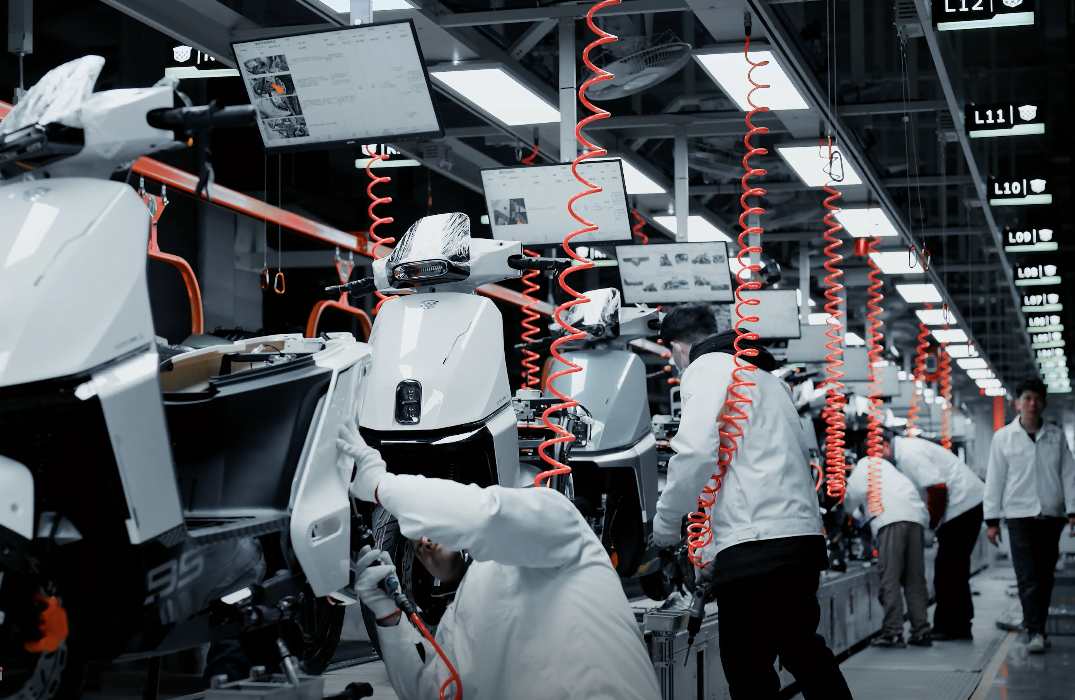
I advise wholesale buyers to evaluate suppliers on three measurable points: 1) Field-proven durability (mean time between failures over 12 months, not lab estimates); 2) Integrated system performance (measured torque and range under your load case, with supplied logs); 3) Firmware and parts traceability (how fast can they push OTA fixes and track cell batches). Ask for dates and test records—e.g., “May 2023 endurance run, fleet of 50 units, 0.8% failure rate”—and use that evidence when you negotiate. Also, don’t skip the human check: visit a line, talk to the engineering lead, see the QC bench. You’ll learn more in an hour on the floor than in ten spec sheets.
I’ve been in B2B supply for over 15 years; I’ve learned to prefer repeatable data over shiny specs, and to value suppliers who share painful truth as much as they celebrate wins. If you want units that hold up in city delivery routes or tourist rentals, prioritize those three metrics—and you’ll avoid the usual supplier traps. (You bet this approach saves time.) For proven lines and steady partnership, look at suppliers like LUYUAN.