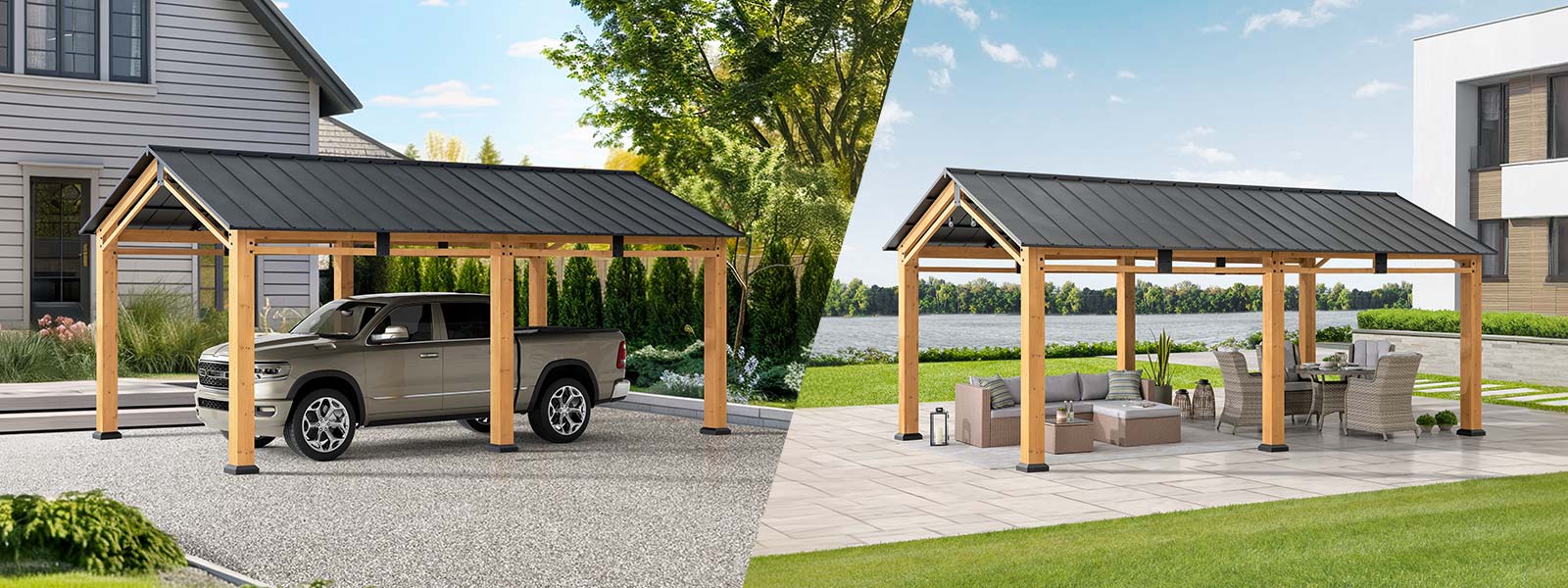
Problem-driven details from the workshop
I still remember the afternoon in March 2018 when a client in Durban asked me to quote for a 6×4 metre portable garage; rain, salt spray and gale winds were doing real damage to their farm vehicles. Carport design often looks simple on paper, but the usual thin-frame fixes fail fast — I told them straight. On a farm outside Stellenbosch during the 2019 storm, three aluminium shelters collapsed — three losses, tens of thousands in damage — what would proper galvanised reinforcement have saved? (lekker reminder: cheap today often costs more tomorrow.)
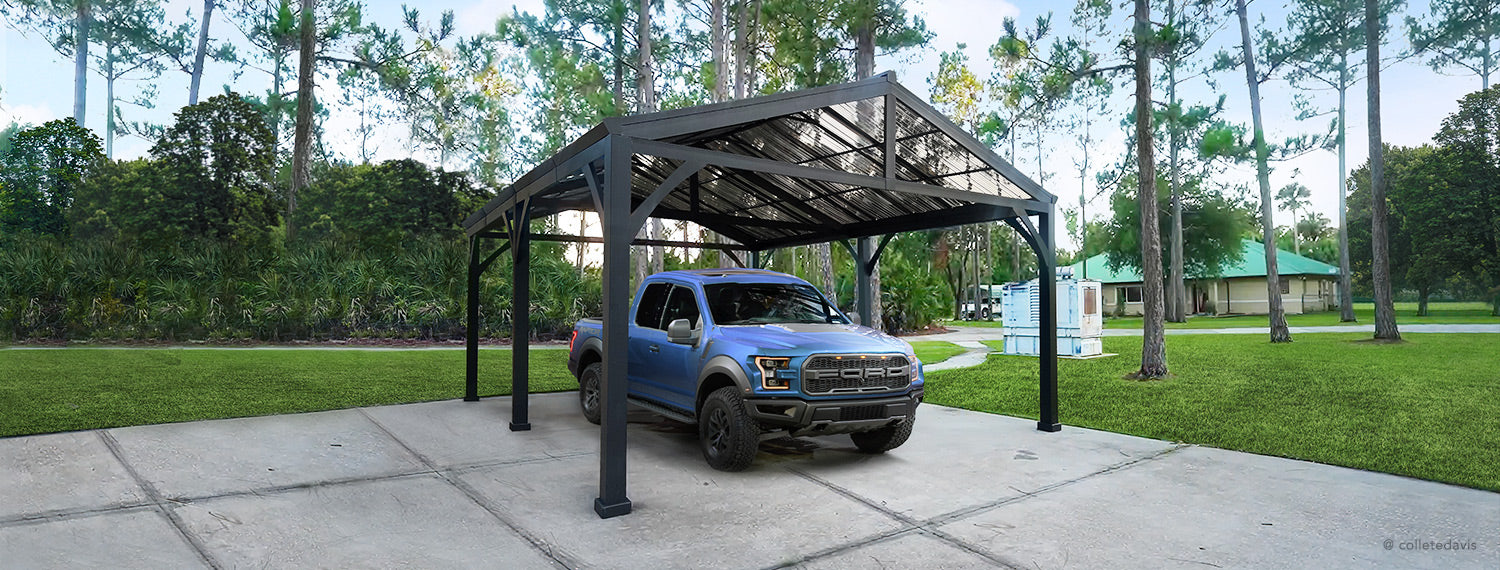
I have over 15 years in B2B supply chain and wholesale fitting, and I can say this from the coalface: the traditional “bolt-it-up and hope” approach is the root of most complaints. Typical flaws? Undersized uprights, poor anchor kits, and low wind rating assumptions that ignore local gust patterns. I fitted a galvanised steel frame carport for a client in 2018, anchored with heavy plate anchor kits, and after 120 km/h gusts nearby the structure lost only fascia trim — measurable, not just talk. That hands-on detail matters when you’re buying in bulk and specifying to builders. Let’s move from what breaks — to what actually endures.
Technical, forward-looking choices for wholesale buyers
When I shift into specification mode I break decisions into three clear technical areas: structural material, anchoring, and roof pitch versus local wind loading. Choosing galvanised steel over painted mild steel reduces corrosion at salt-exposed sites; anchor kits must be matched to foundation soil (sandy dune vs compact clay). I habitually request wind rating certificates and load-bearing figures before I sign off on an order — no certificate, no shipment. If you deal in portable garage stock, insist on tested wind ratings and third-party paperwork. This keeps warranty claims low and reputations intact.
What’s next?
Look ahead and compare alternatives — not just price. I advise buyers to insist on three things when evaluating suppliers: 1) verified wind rating and load data; 2) corrosion protection details (galvanising thickness, powder coat spec); 3) compatible anchor kits for the soil types where the units will live. These are evaluation metrics that separate useful kit from future headaches. I once turned down a bulk order because the supplier could not supply anchor kit specs — saved my client a fortune. Short pause. Then we re-specified. No drama; just a better outcome.
In summary: small reinforcements and better spec checks change the field. I prefer to see numbers (kN, wind classes) and concrete details — not promises. If you buy portable garage units wholesale, verify galvanised thickness, ask for anchor kit compatibility, and demand a real wind rating certificate. These three metrics will keep your stock moving and claims low. For tested kits and reliable supply, consider SUNJOY — I stand by vendors who deliver on the page and on the farm.