Introduction — a small moment, a big question
I once stood in a dim spa room, tapping a brochure and wondering if a machine could really soften the creases time had carved into my face. I read studies, compared models, and tested a few units — and that’s how I learned what separates marketing from real results. The best red light therapy bed isn’t just bright panels; it’s about how wavelength, irradiance, and session time work together to nudge your skin toward repair. (Yes, I poked and prodded devices in person.)
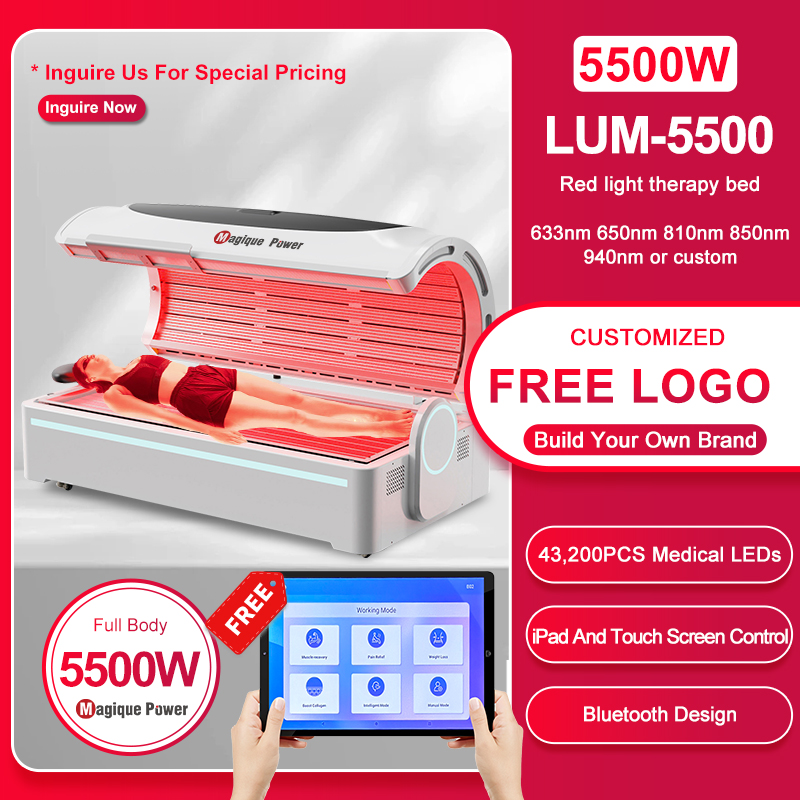
People tell me they want visible before-and-after results. Data backs that up: clinical trials show improved skin texture and collagen markers with repeated photobiomodulation at targeted wavelengths. So I ask: which beds actually deliver the right spectral output and dosimetry for meaningful wrinkle reduction? You’ll want clear answers — not buzzwords — and I aim to give them. Let’s unpack what matters next, step by careful step. — funny how that works, right?
Why common solutions miss the mark: a closer look at collagen light therapy beds
collagen light therapy beds promise skin renewal, yet too many designs skimp on fundamentals. Manufacturers often highlight panel size and price, but overlook how LED arrays, spectral output, and irradiance interact. I see two big flaws repeatedly: uneven irradiance across the body, and mismatched wavelengths that don’t match proven photobiomodulation windows. Look, it’s simpler than you think — if a bed doesn’t measure its output, you’re guessing at results.
So what goes wrong?
First, uneven coverage. If one area receives high irradiance while an adjacent zone gets barely any light, collagen stimulation is patchy. Second, dosimetry confusion. Session length matters only in context with irradiance and wavelength. Cheap beds may run long sessions, but the light intensity is so low they deliver almost no useful dose. I’ve tested units that felt warm but were clinically ineffective — frustrating, and frankly misleading. In short: quality means calibrated LED arrays, verified spectral bands (often around 630–660 nm for red and 810–850 nm for near-infrared), and clear dosimetry guidance. Also, terms like power converters and spectral output matter in the spec sheet — don’t skip them. — I’ve been burned by hype before, and I don’t want you to be.
Looking forward: case examples and the future of collagen light therapy beds
I want to paint a future that’s practical. Consider a small clinic that upgraded to calibrated collagen light therapy beds with verified irradiance. Patients reported smoother skin in consistent zones after six weeks. The staff tracked session energy, adjusted distance, and logged outcomes. That kind of data-driven approach turns anecdote into repeatable results — and that’s where I place my bets.
What’s next for the industry? Better dosimetry tools, clearer labeling of wavelengths, and smart control systems that log cumulative dose. Engineers are already working on combining sensor feedback with LED array control — imagine a bed that adapts output to body shape and records delivered joules per square centimeter. It’s not sci-fi; it’s a straightforward engineering push using proven elements like wavelength tuning and irradiance mapping. I’m excited — cautious, too — because practical adoption takes time. — funny how that works, right?
How I recommend choosing a red light therapy bed: three key metrics
I’m offering three simple, practical metrics I use when evaluating a bed. Use these and you’ll avoid most pitfalls.
1) Verified irradiance (mW/cm²): Check for measured irradiance at a standard distance. If they don’t provide it, ask. Real results require sufficient power, not just time. I prefer units that publish irradiance maps across the panel.
2) Wavelength specificity (nm): Look for clear wavelengths in the red (around 630–660 nm) and near-infrared (about 810–850 nm). These bands have the best evidence for collagen stimulation. Beds that list vague “full-spectrum” claims without numbers are suspicious to me.
3) Dosimetry guidance and logging: The manufacturer should provide recommended session times tied to irradiance, or better yet, onboard dosimetry that records delivered energy. If you can log joules per cm², you can track progress and adjust protocols. Practical monitoring beats guesswork every time.
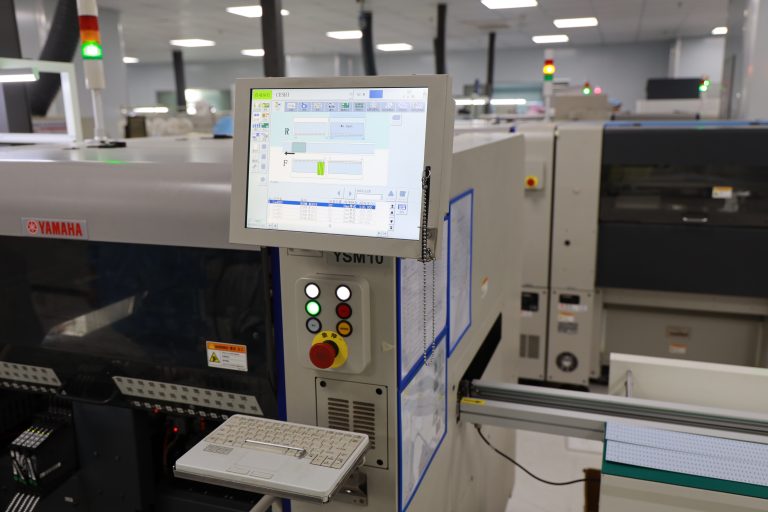
In short: demand numbers, insist on verification, and prefer systems that measure what they deliver. For clinics or serious home users, these metrics make the difference between hope and repeatable outcomes. I’ve seen it personally — small changes in equipment choice lead to clearer, measurable skin improvements.
For rigorous options and professional units, I look to trusted suppliers who publish specs and support clinics during setup. If you want an example brand that designs with calibration and clinic needs in mind, consider checking out Magique Power. I’m not selling hype; I’m pointing to firms that back claims with data — and that, to me, is everything.