Introduction — The Daily Scene, the Numbers, the Question
Have you ever walked into a shed at dawn and felt the air change with the lighting? I have, and that small moment often tells me more than a spreadsheet. In many of my visits I’ve seen farms switch to led lights for laying hens and note a clear change in bird activity, feed intake and egg consistency. Studies and on-farm trials often report single-digit to low double-digit improvements in production and welfare metrics — but not always. So why do some farms reap large gains while others see little change? (It puzzles me too — and I ask it plainly.)
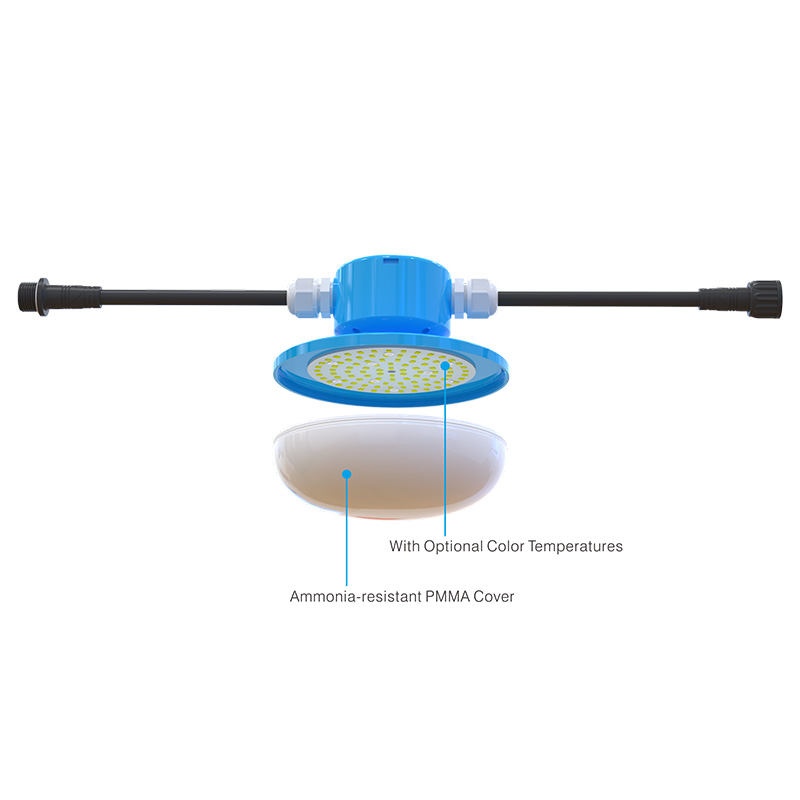
Here I will share what I’ve learned in simple terms. I will look at where traditional lighting trips up, what hidden pains producers live with, and which technical principles actually matter. My aim is practical: help you compare options and choose a solution that fits your flock and your goals. Now, let’s move into the real problems behind the lights.
Traditional Solution Flaws: Why Conventional Lighting Often Fails
Why do conventional systems fall short?
I link the topic directly: laying hen lighting is more than bulb choice; it is a system. Too many setups treat light as a single switch. They ignore spectrum, dimming behaviour and the control layer. Old systems rely on simple timers and inadequate power converters. The result: uneven lumen output, flicker, and poor spectral balance. Birds pick up on that. They show stress, reduced laying consistency and unwanted pecking behaviour. Look, it’s simpler than you think — a bad dimming curve or unstable power feed can undo any benefits of modern LEDs.
Technically speaking, two big flaws recur. First, the spectral mismatch. Conventional lamps emit light rich in wavelengths that do not align with avian vision. That affects circadian cues and photoperiod response. Second, controls are crude. Without spectral tuning and predictable dimming, the flock receives mixed signals. Equipment integration also fails: many farms lack edge computing nodes or reliable networked controllers to harmonise multiple houses. I’ve seen sheds where the lights are modern but the control is antiquated — and the birds suffer. These are not hypothetical problems; they are day-to-day pain points for producers who must balance welfare, egg rate and energy bills.
New Technology Principles — What to Look For Next
What’s Next for Practical Lighting?
Moving forward, I recommend principles that are easy to test on your farm. First, spectral tuning: choose fixtures that allow you to adjust blue and red ratios to match the hens’ behavioural needs. Second, stable power management: insist on quality power converters and surge protection so dimming remains smooth and flicker-free. Third, intelligent control: whether you use simple schedulers or full edge computing nodes, the system should log and adapt. These elements work together — and when they do, you see steadier egg production, calmer birds, and lower energy wastage.
To explain plainly: think of lighting like climate control. You would not expect to control temperature by swapping heaters without matching controllers. Similarly, modern laying hen lighting must combine optics, electronics and software. I’ve helped teams trial units that allowed gradual dawn-dusk ramps, spectral shifts and house-level feedback. The results were not dramatic overnight. But within weeks we noted fewer floor eggs, more consistent timing of oviposition, and—funny how that works, right?—a small drop in feed conversion during peak months. These improvements were measurable and repeatable.
Choosing Between Solutions — Practical Metrics and Final Thoughts
When comparing options, I use three clear evaluation metrics. First, spectral control: can the fixture adjust wavelengths to reduce stress and optimise laying rhythm? Second, control integration: does the solution support scheduling, logging and remote adjustment (preferably via controllers that can integrate with other systems)? Third, total cost of ownership: consider energy use, expected lifetime, and replacement parts, not just the sticker price. Each metric is straightforward to test on a trial run — and I urge you to trial before full rollout.
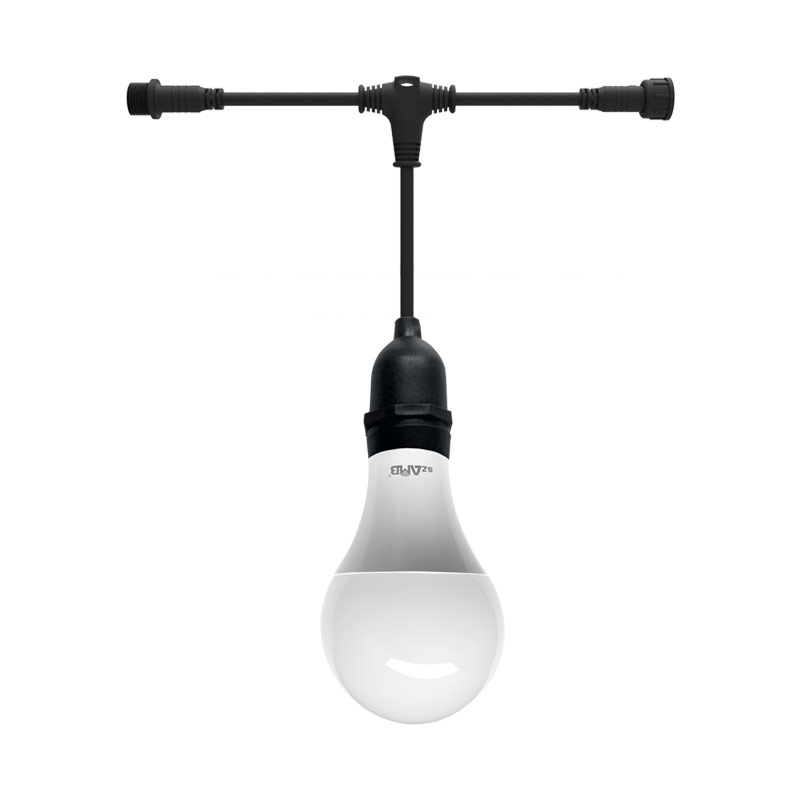
In closing, I’ll be candid: technology will not fix sloppy management. But good lighting design reduces guesswork. It helps birds behave naturally and helps farmers predict performance. If you want a simple checklist — spectral tuning, reliable power converters, and integrated control — start there. I believe these choices lead to kinder sheds and steadier yields. For practical solutions and supplier options, consider brands that think holistically; I’ve seen promising results with systems sold by szAMB, and I recommend you test them for your conditions.