Introduction: A Small Room, Big Voices, and a Simple Question
Last Tuesday, we squeezed eight people into a huddle room, two on a call, and one near the door trying to speak over the HVAC hum. The conference room speaker and microphone system kept up—until someone moved a chair and the echo suddenly got bad. Studies often show minutes lost to setup and fix-ups; multiply that by weekly meetings, and the cost adds up fast, lah. So we ask: is downsizing the audio chain the smart move, or just another buzzword?

Here’s the twist: modern rooms run more video than ever, but audio still decides clarity, trust, and speed. Latency, acoustic echo cancellation (AEC), and signal-to-noise ratio (SNR) are not just tech specs; they shape how fast decisions happen. If the far end hears a smear or a slapback, your message loses weight. And when teams sit in mixed layouts—long tables, glass walls, odd corners—mic placement and speaker coverage become game-changers (seriously). We need a simple frame to compare choices, but one that respects physics, budget, and day-two support. Let’s break it down and see where “compact” shines, and where it must prove itself.
Under the Hood: Why Compact Can Solve What Big Racks Don’t
What’s the real bottleneck?
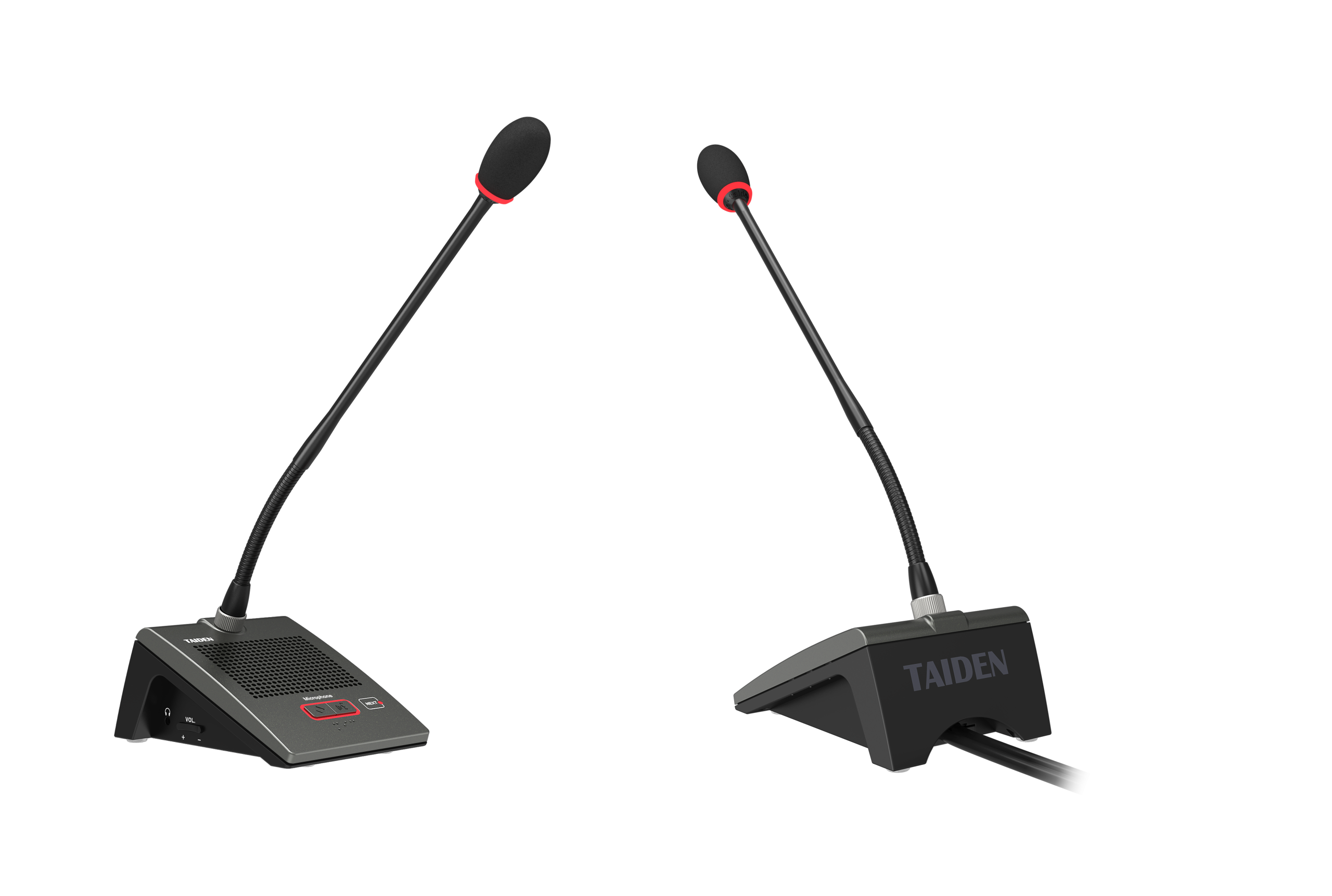
A well-integrated compact meeting system moves the DSP engine closer to the mics and speakers, cutting conversion steps and cabling hops. Fewer links mean fewer failure points, tighter latency budgets, and cleaner gain structure—funny how that works, right? Traditional racks spread processing across multiple boxes: mixer, AEC card, network switch, external power amps. Each handoff risks clock drift, noise floor creep, and tricky firmware mismatches. In compact designs, the beamforming array, AEC, and EQ live together, so echo paths are modeled end-to-end. Look, it’s simpler than you think. When the system “knows” the room, it adapts faster to chair scrapes, door opens, and that one presenter with a soft voice.
Hidden pain points appear in small rooms with big reflections. Legacy installs chase reflections with hard tuning and manual notches, but voices move and tables change. A compact device can run adaptive beamforming, dynamic SNR optimization, and auto-mix gating without waiting on a laptop wizard. Power over Ethernet (PoE) cuts bulky power converters; fewer cables mean lower RF ingress and cleaner installs. And because the mic array and speakers share one timing reference, AEC tail length and residual echo stay stable even during screen-share audio. Translation: less fuss, more talk-time. It’s not about shrinking boxes for fun—it’s about shrinking uncertainty.
Comparative Outlook: Principles, Wireless Options, and What’s Next
What’s Next
New tech shifts the baseline. Instead of stitching together devices, next-gen systems use unified clock domains and smarter DSP pipelines. Microphone arrays do spatial filtering first, so the AEC sees fewer false positives. Then a contextual mixer smooths handovers between talkers. In parallel, on-device ML classifiers flag keyboard taps and HVAC bands for targeted suppression—no heavy cloud hop, no added delay. When you compare this to a piecemeal stack, the difference shows up in far-end feedback: clearer consonants, steadier loudness, fewer “sorry, say again ah?” moments. And if you go mobile or reconfigure rooms often, a wireless conference room microphone and speaker system adds flexibility without tearing down cables between sessions—though spectrum planning still matters.
Here’s the balanced view—compact wired arrays give the lowest, most predictable latency; wireless gives speed of setup and room agility. Semi-formally put: pick your constraint, then match the method. If your environment is dense with Wi‑Fi and IoT, you’ll want robust RF coordination and QoS tags; if your issue is live echo from glass, prioritize AEC tail depth and beamforming lobe control. Either path benefits from fewer conversion stages and a single point of tuning. The lesson from earlier: reduce links, reduce drift, reduce effort— and nobody notices until it fails. That’s the point of good design.
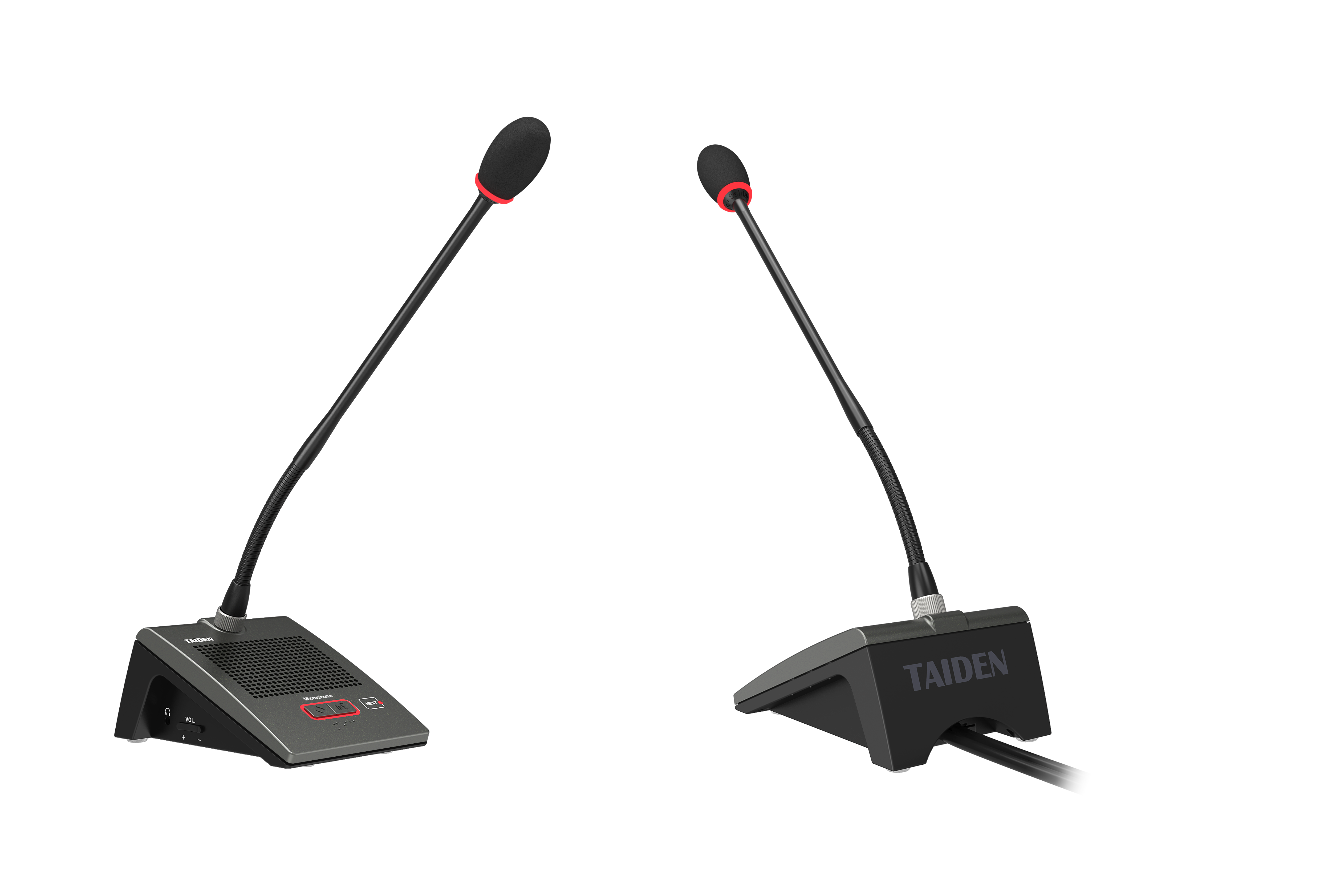
Before you lock in, use three practical checks. 1) Measurable audio quality: target SNR above 65 dB at the far end and end-to-end latency under 20 ms. 2) Echo resilience: ensure AEC tail length covers your room’s longest path and remains stable during screen-share playback. 3) Operational fit: confirm firmware unity, PoE power headroom, and simple room re-tuning without vendor visits. If a system hits those, it will survive real meetings, not just demos. Shareable, maintainable, and calm—your audio should feel like that. For more on integrated approaches and device families, see TAIDEN.