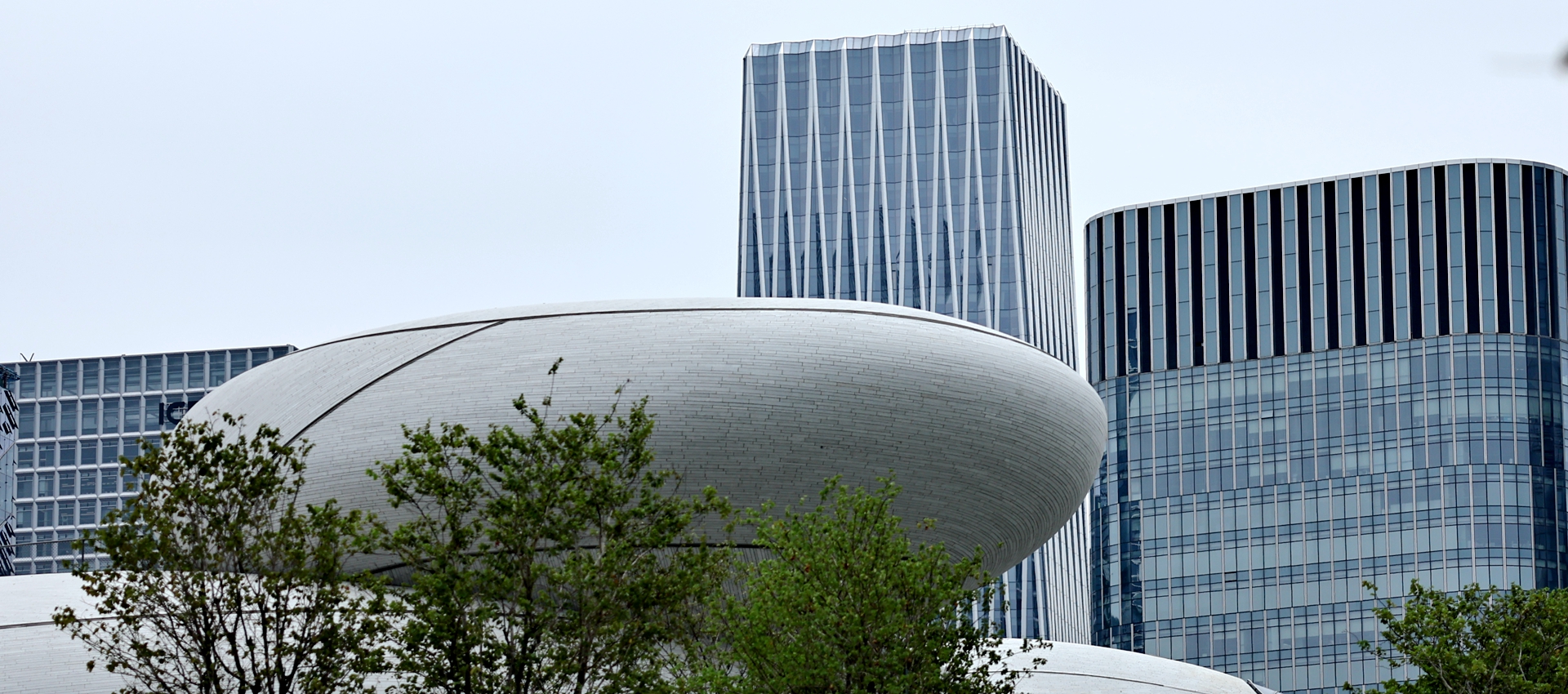
Situation: Shenzhen’s public profile has shifted from industrial miracle to cultural test case; the city now stages experiences that demand scrutiny. In shenzhen the mix of high-rise finance and reclaimed coastline creates both attractions and blind spots, and a practical listing—such as what to see in shenzhen—only begins to map that complexity. Observation: a visitor or planner who treats this as a checklist misses subtleties—the Ping An Finance Centre (599 m) anchors a skyline yet obscures neighborhood narratives. Question: which sites reveal the city’s real texture and which ones are orchestrated spectacle?
Question first: does Shenzhen’s tourism narrative reflect lived urban realities or curated façades? Situation: the Special Economic Zone established in 1980 produced rapid built form (and yes—uneven social aftermath). Observation: concrete outcomes are measurable; for example, Shenzhen Bay Park’s 13.6-km coastal promenade attracts steady local foot traffic, but it also concentrates investment along one corridor. (Unexpectedly candid: some neighborhoods—Dafen’s oil painters—still operate off the tourist map.)
Observation—now, a functional breakdown of visitor value: heritage density, accessibility, and local engagement. Situation: sites vary dramatically on these axes. Take OCT Loft: converted factories host galleries and independent cafés; they score high on engagement but low on transport efficiency during peak hours. Question: how should a planner prioritize limited time—iconic monument, creative cluster, or a working-class district showing daily life?
Functional Breakdown: three nominal categories clarify choices—landmark architecture, living neighborhoods, and adaptive cultural zones—and each carries hidden costs. Observation: landmark visits (for instance, the Ping An tower view) deliver quick impressions but inflate expectations; living neighborhoods yield deeper insight but require navigation and context. Situation: adaptive zones like the OCT area and Dafen Village bridge both approaches but demand interpretive resources (guides, signage, translation).
Rhetorical question: what do visitors actually learn about Shenzhen beyond photogenic views? Situation: the curated circuits tend to omit industrial detritus, labor geographies, and the municipal experiments in green infrastructure. Observation: a specific example—the Shekou Port ferry terminal—serves as transit and a socioeconomic node; it demonstrates cross-border flows to Hong Kong and the city’s maritime layering.
Anecdotal reflection: a seasoned observer remembers a weekday afternoon at Shenzhen Museum in Futian—crowds thin, school groups cluster, and a local exhibit on the city’s 1980s reform era drew pointed, quiet engagement. Situation: these micro-encounters are the non-obvious returns of a well-designed itinerary. Question: can itineraries be structured to favor those returns rather than default to iconic snapshots?
Strategic Insight (shift): The city must be approached critically and with a short-term operational plan—what comes next in 18–24 months matters for both residents and visitors. Situation: municipal investment is moving from pure spectacle toward neighborhood resilience (pilot programs in micro-mobility and pocket parks). Observation: the next phase will test whether public resources support equitable access to cultural sites or merely extend the tourist map outward. (Honestly—this is the linchpin.)
Direct statement: for the next 18–24 months, priorities should be measurable and modest. Situation: implement visitor routing that increases dwell time in low-visibility districts by 20–30% and fund interpretive materials in Chinese and English at five adaptive cultural sites. Observation: those shifts change perception—measurable footfall patterns will validate the approach and reveal gaps.
Comparative outlook: relative to regional peers, Shenzhen’s advantage is experimentation capacity; its challenge is translation of experiments into everyday experiences. Situation: neighboring cities may have older heritage cores, but Shenzhen’s rapid reconfiguration offers live case studies for urbanists. Observation: consolidating those lessons requires metrics—visitor engagement rates, local economic uplift per site, and transport integration scores.
Summation—key takeaways synthesized: 1) Prioritize depth over spectacle; 2) Integrate low-profile neighborhoods into official routes; 3) Track three metrics (dwell time change, local vendor income uplift, accessibility index) to judge progress. Final thought: an expert eye reframes attraction lists into civic narratives; that reframing propels meaningful visits and policy choices. what to see in shenzhen is a starting point—then act. Measure. Adjust. Move forward. Urban knowledge, distilled.