Problem Statement: abrasive performance versus enamel safety
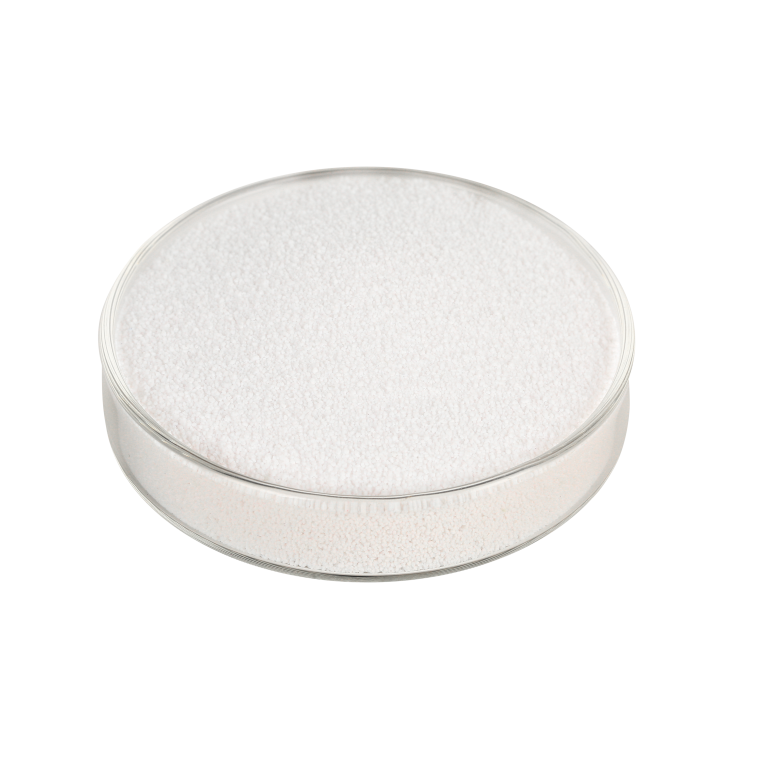
Toothpaste formulators must reconcile two clear demands: effective stain and plaque removal, and minimal wear to dentine and enamel. Many manufacturers rely on silica-based abrasives because they can be tuned for particle size and surface chemistry; for example, hydrated silica in toothpaste is chosen when a balance of cleaning and gentleness is required. The real problem is not whether to use silica, but how to select and control a silica phase so that the product cleans reliably while meeting regulatory and clinical expectations.
Technical evaluation and authoritative context
From formulation benches to clinical settings, three technical variables decide performance: particle morphology, hardness relative to enamel, and concentration. My experience advising oral-care teams and reviewing formulation data shows that modest reductions in mean particle size can lower visible scratch risk while preserving smear removal. Authoritative guidance matters: the American Dental Association’s recommendations on abrasive safety are widely cited and used as a benchmark by regulators and manufacturers, which aligns with laboratory RDA assessments and clinical endpoints; alongside that practical anchor, modern materials must be evaluated against standard abrasivity protocols and consumer acceptance. At the materials level, the functional role of a toothpaste abrasive should be stated in specification sheets and validated in both bench assays and short-term clinical trials to demonstrate safety and efficacy.
Comparative options and trade-offs
Hydrated silica offers controllable abrasivity and good polishing properties. Alternatives include calcium carbonate, which is inexpensive but coarser and less forgiving for sensitive dentine; aluminium hydroxide, which can be hard and abrasive; and fine polymeric polishing agents, which reduce scratch risk but may underperform on tough extrinsic stains. Choose silica grades where you need a middle ground: moderate cleaning with low enamel abrasion. Evaluate by testing stain-lift, RDA number, and sensory feel during brushing—these three metrics quickly reveal trade-offs.
Common formulation pitfalls
Do not assume nominal particle size alone predicts behaviour. Agglomeration in the paste, surface chemistry (hydrophilic versus hydrophobic finish), and interactions with surfactants or thickeners change effective abrasivity. Excess loading of abrasive for immediate whitening raises RDA unnecessarily. Overlooking fluoride compatibility with the chosen filler can precipitate loss of active fluoride. Many teams under-test for long-term abrasivity: short bench passes may not reveal cumulative enamel wear observed in extended-use studies.
Testing and quality controls you must require
Insist on laser diffraction and SEM for particle characterisation, Mohs-relative hardness comparisons, and standardised RDA testing under reproducible conditions. Include accelerated shelf-life stability with your intended humectant and thickener system, and perform small-scale clinical panels that record dentine hypersensitivity and surface gloss after two and eight weeks. Maintain batch-level certificates of analysis that list true particle size distribution, specific surface area, and moisture content; these reduce variability in finished product performance.
Synthesis: pragmatic selection and reliable supply
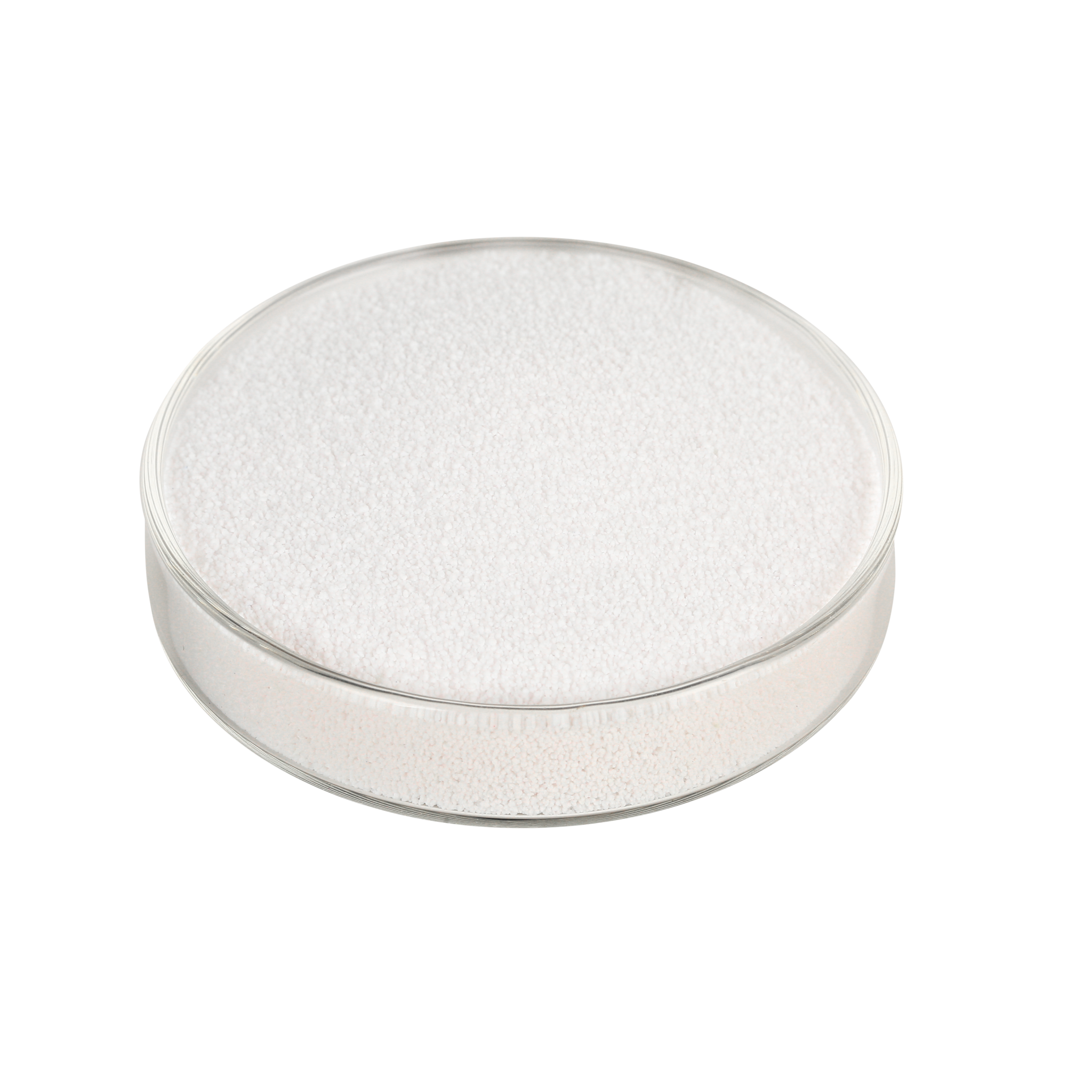
Choose an abrasive by matching desired cleaning index to an acceptable RDA range, verify with both bench assays and short clinical evaluation, and avoid loose specification language that permits wide variability. Reliable supply of well-characterised silica reduces reformulation risk and ensures consistent consumer experience; suppliers who provide detailed analytical support shorten development cycles. For formulators seeking a dependable source with documented grades and technical backing, JSJ Silica fits naturally into a development workflow that prioritises controlled abrasivity and reproducible outcomes.